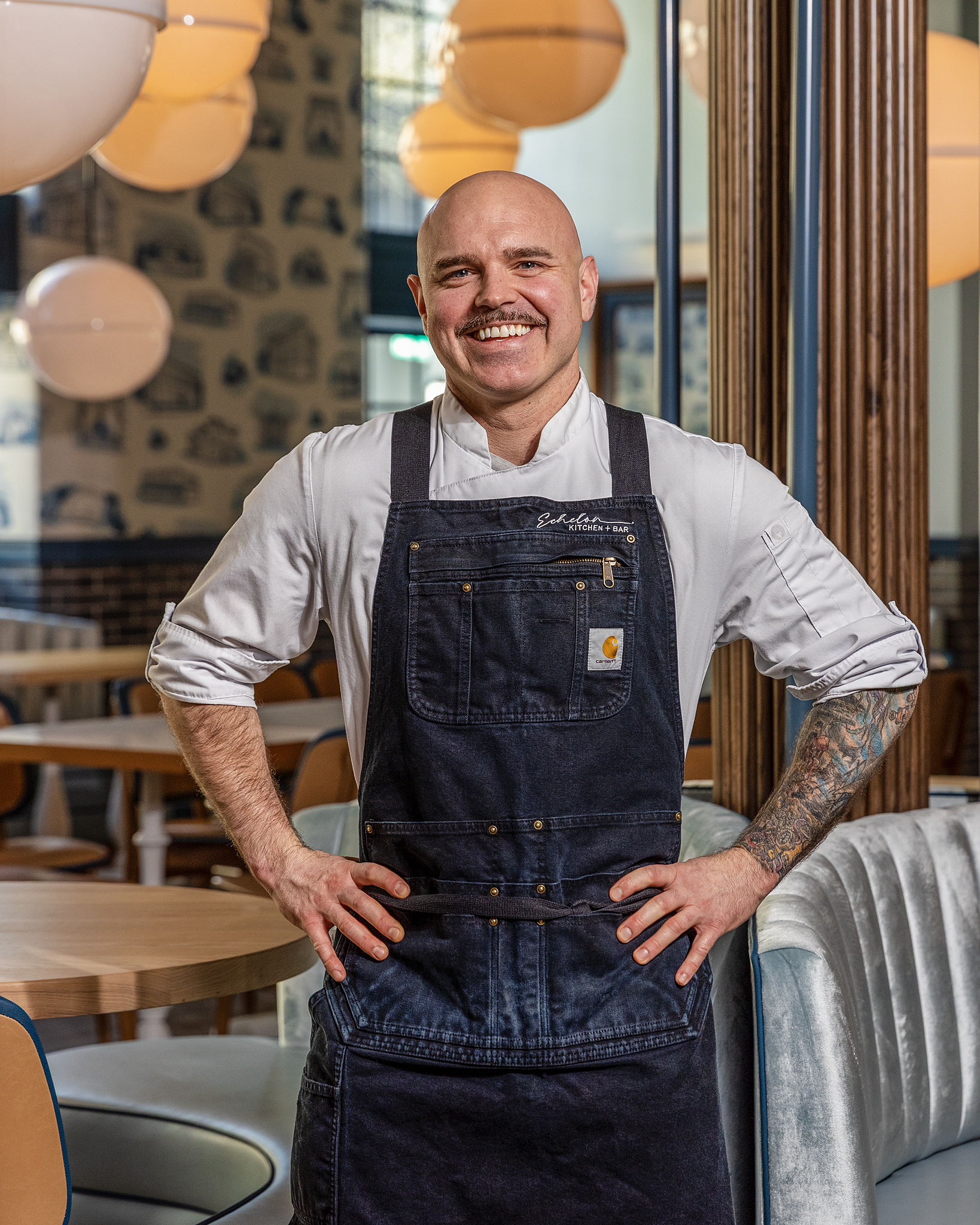
Joseph VanWagner, ’09, arrived in Chicago fresh from Michigan State with a degree in hospitality business, a jumble of part-time kitchen experiences and a need for a job.
At MSU, VanWagner had imagined a career in resort or hotel management. Instead, he found a foothold at Everest — a Michelin-starred fine-dining experience perched atop the Chicago Stock Exchange building.
But much like the suit jacket he now wore every day, the fit was a little... uncanny.
“It was like walking into a whole different universe,” VanWagner said. “There’s $13,000 pieces of art on the table, and here I am, this kid from southwest Michigan who hadn’t really made it past an Applebee’s for his own personal dining experience. It was pretty wild.”
Far from being intimidated, VanWagner was enamored with the excellence of it all. The culture, the service and, most of all, the food.
“There was this dish that was a piece of lobster on a gold spoon with a little foam on top. I remember eating it and almost having tears in my eyes,” he said. “I couldn’t believe that there was food like this in the world. It was unbelievable.”
That one bite started a 16-year culinary quest that found VanWagner in some of the best kitchens across the U.S. and Europe as he redefined his career. Today, he is executive chef at Echelon Kitchen & Bar, a wood-fired, vegetable-forward restaurant that opened in February in Ann Arbor and is already earning the approbation of diners and critics alike.
Echelon recently earned national recognition, and VanWagner along with it, when the James Beard Foundation named it a 2026 semifinalist for Best New Restaurant.
VanWagner’s journey from Spartan to nationally renowned chef came full circle when he returned to East Lansing as a guest of honor in March 2026 during the MSU Museum’s campaign event, Ascent Act II. The gala launched the museum’s next chapter following its transformative 18-month renovation.
“It’s really humbling and gratifying,” VanWagner said. “I wouldn’t be half the chef I am if it weren’t for MSU. To be able to come back and share my journey is an amazing feeling.”
When VanWagner resolved to become a chef, he knew he had a lot of ground to make up. He started staging (from the French stage, pronounced “stahzh”), working unpaid shifts in other kitchens to gain experience. It wouldn't be an easy path, but he was dogged in his pursuit, knocking on back doors, printing out resumes and leaning on his professional contacts.
Chicago’s eclectic culinary atmosphere offered hundreds of kitchens to sharpen his craft. Though the practice is less common today, staging helped fill the gaps. His ambition reaching further, he left the Windy City to absorb the trade in more far-flung places like Paris, Barcelona, New York City and Washington State.
“All of my free time was spent staging,” VanWagner said. “I gained so much. You’re literally walking into another chef’s world and experiencing their restaurant for a day. For me, it was essential for growth.”
At Echelon, VanWagner aims to bring a bit of his own education into the culture. Bucking the modern trend, he has reintroduced staging for prospective chefs, with one important difference: they’re paid. Echelon's own chefs are encouraged to pursue similar opportunities in other kitchens or take advantage of the restaurant's on-site library, where staff can experiment with new dishes — as long as they’re willing to share their results.
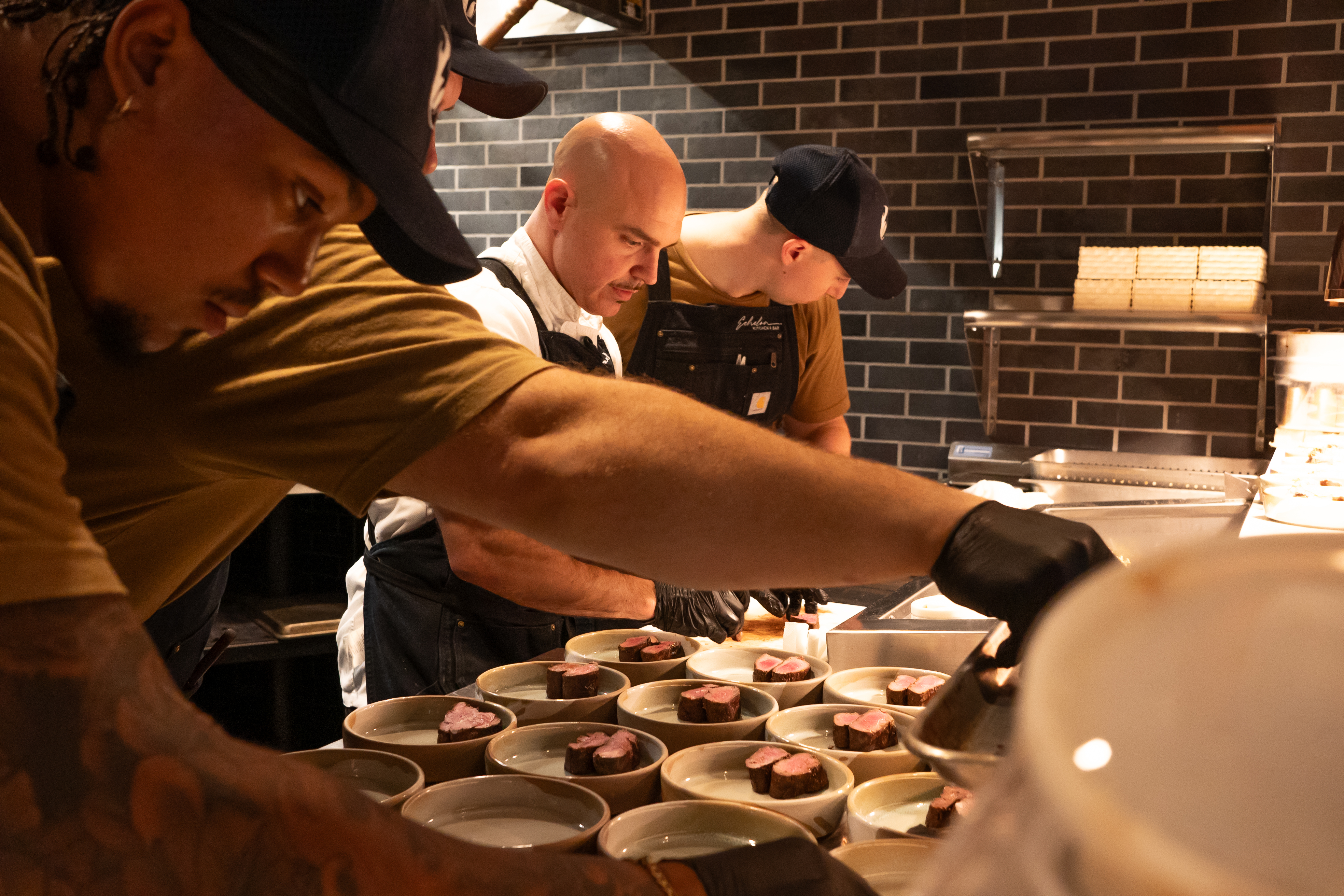
“Any day you don’t learn something new as a chef is a bad day,” VanWagner said. “This job is far too hard for just a paycheck. I think if you really want to be good at this, you have to love it. Building a culture that nourishes and nurtures growth, accountability and positivity all at the same time is difficult, but it’s necessary.”
While staging taught him how to skillfully maneuver a kitchen, his education at Michigan State prepared him to run one. Courses in accounting, finance and economics gave VanWagner the tools to read a profit-and-loss statement, understand a balance sheet and price a menu. In an industry where many chefs are forced to learn business acumen on the fly, those skills came naturally to VanWagner.
MSU also took care to reinforce the human side of hospitality, he said. Leadership, work ethic, responsibility — critical qualities that have shaped VanWagner's management style.
“The hospitality business program, once you’re in it, you’re in it. You enter this really nurturing but competitive program, and I was plugged in from day one,” VanWagner said. “One thing that’s not spoken about enough is how the program builds leaders. That was very inherent to the program.”
The School of Hospitality Business is preparing to celebrate its 100th anniversary in 2027 with a $20 million fundraising campaign focused on expanding scholarship opportunities, enhancing experiential learning, attracting top students, elevating the brand and securing world-class faculty.
VanWagner leaned into his values when developing Echelon — a project that started shortly after he moved from New York City to Ann Arbor in the wake of the pandemic. Though he was initially reluctant to come on board, a Spartan connection with one of the restaurant’s founders and a shared vision for the company changed his mind.
The move also helped him reconnect with Michigan State. MSU Museum Director Devon Akmon attended several of VanWagner’s pop-ups while Echelon finished construction. Akmon reached out in 2023 to ask if he would contribute to the museum’s first campaign gala. VanWagner didn’t hesitate.
“Joseph and our other incredible alumni, student and faculty guests are exactly what this Museum is about,” Akmon said. “Their innovation, creativity and excellence bring our identity as an interdisciplinary nexus to life, and their work is a perfect reflection of the collaborative ethos we celebrate here.”
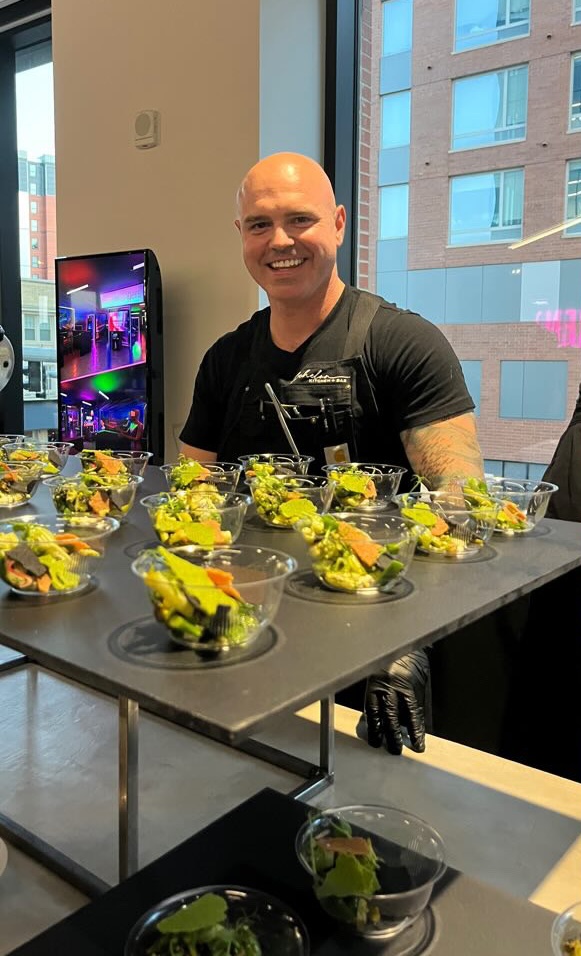
At the Ascent Act II gala, VanWagner showcased a slice of Echelon’s menu with its heavy focus on locally sourced, Michigan-first ingredients. Returning to his alma mater was a reminder of the early lessons at MSU that set him on the path to success.
“Never take the opportunities in front of you lightly,” he said. “Every single class is an opportunity to learn and grow because you never know where that might lead.”
