Donor support fuels the MSU Museum, elevating student engagement and collection stewardship.
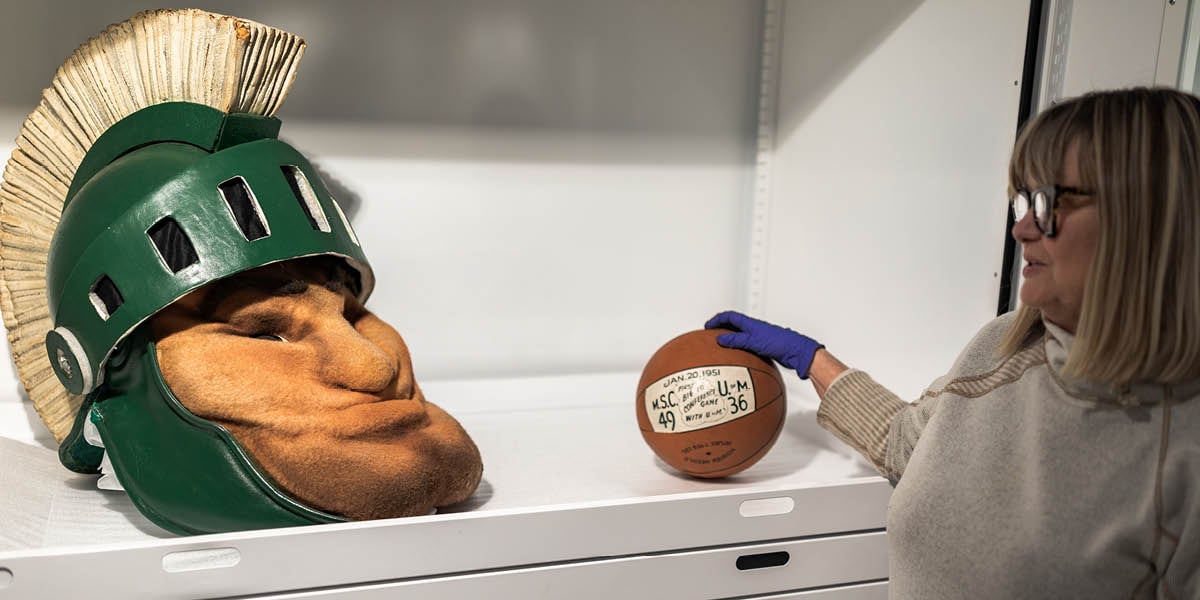
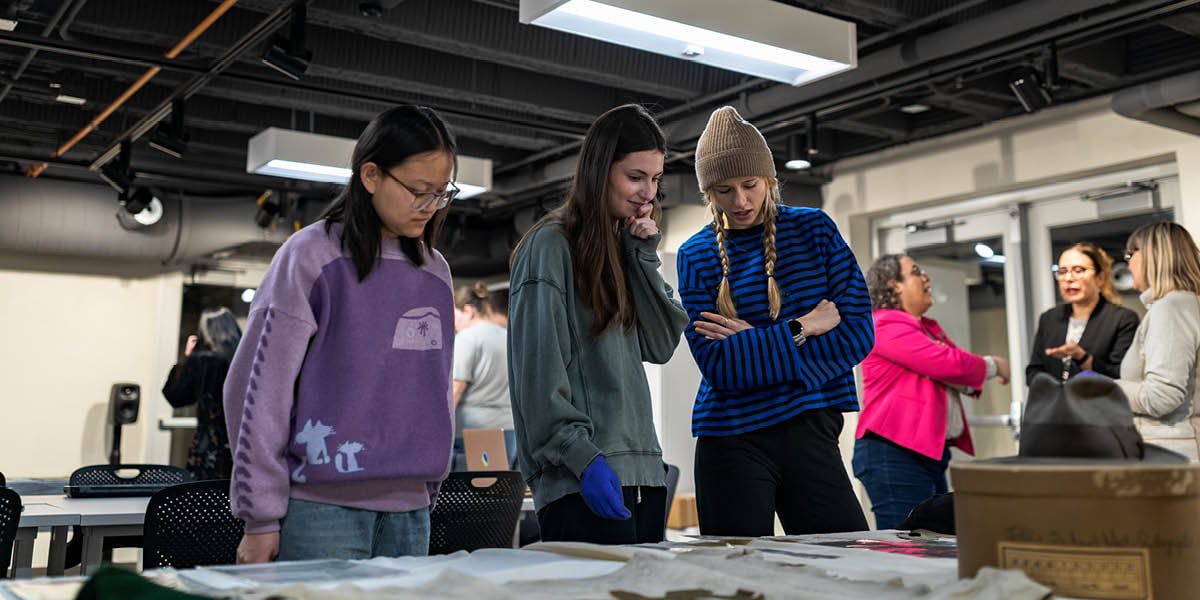
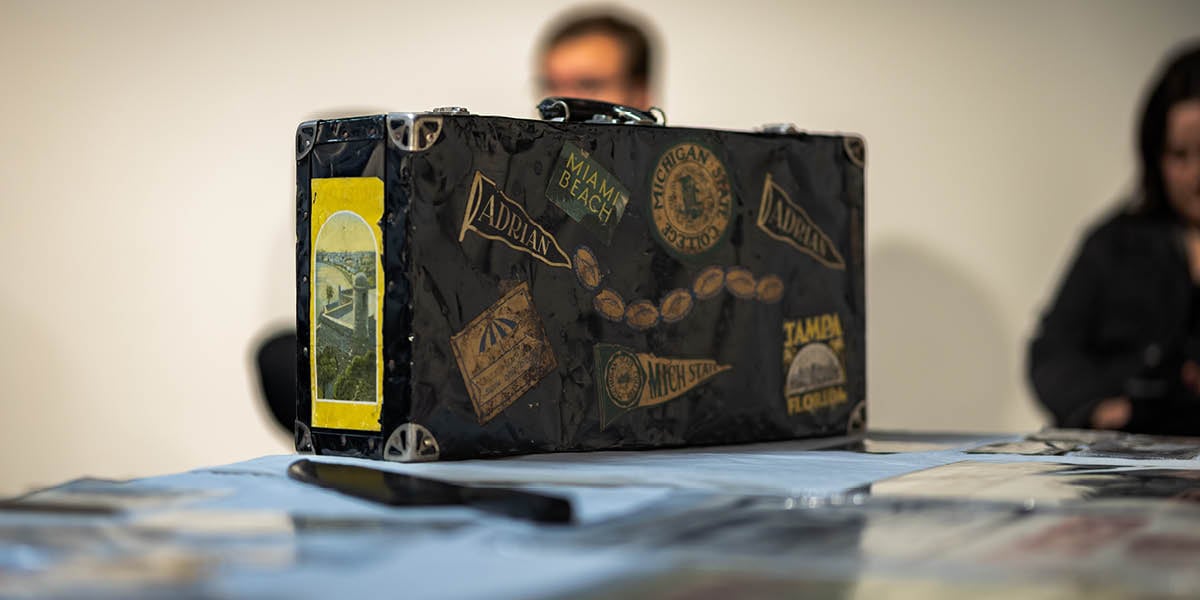
An uncommon energy filled the space. Students flitted from table to table, from cabinet to cabinet, from artifact to artifact, immersed in the Spartan history resting in their hands.
In February, weeks after the MSU Museum reopened from its 18-month renovation, the Museum Studies program in the College of Arts & Letters was back in its natural home. With enrollment in Curatorial Practices more than doubled since it was last held in 2024, a cauldron of graduate and undergraduate students baptized a new era in the museum’s nearly 170-year history.
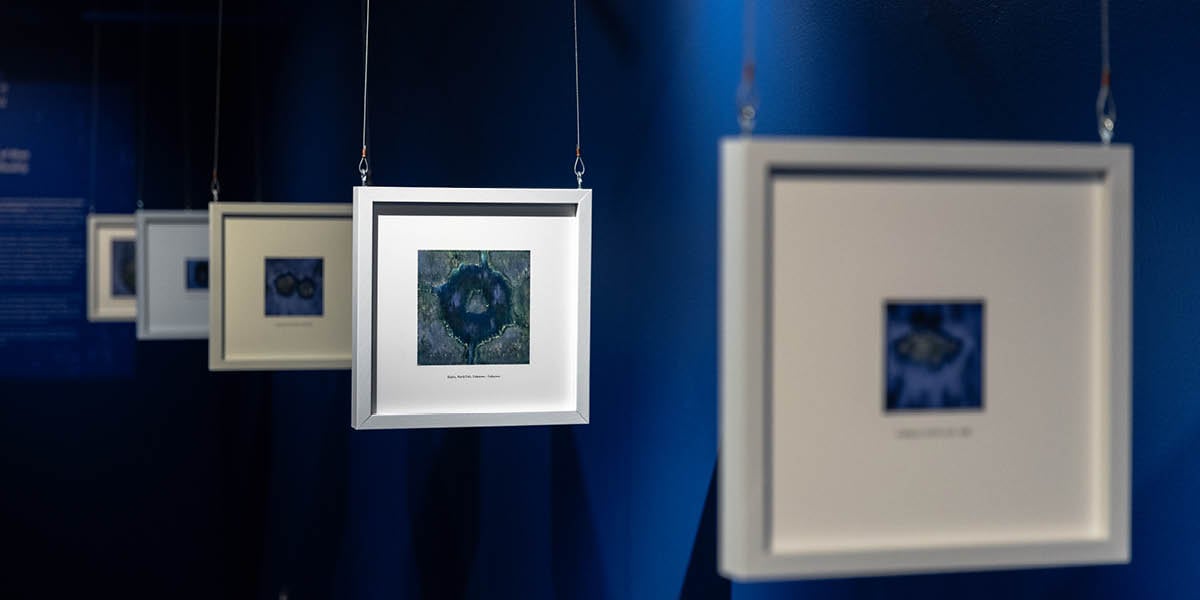
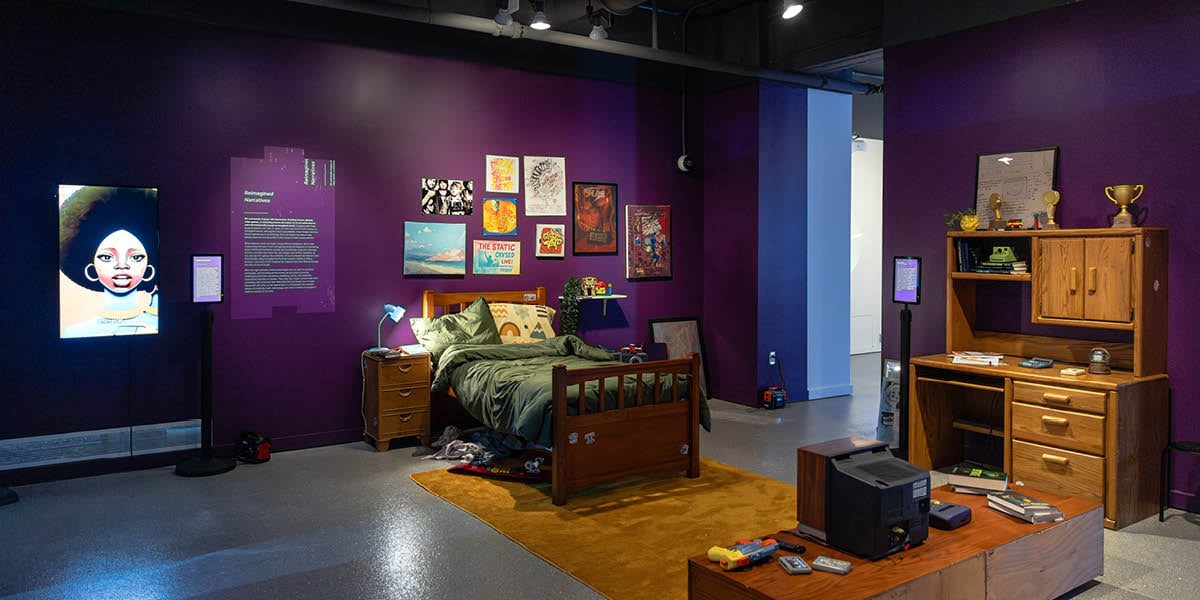
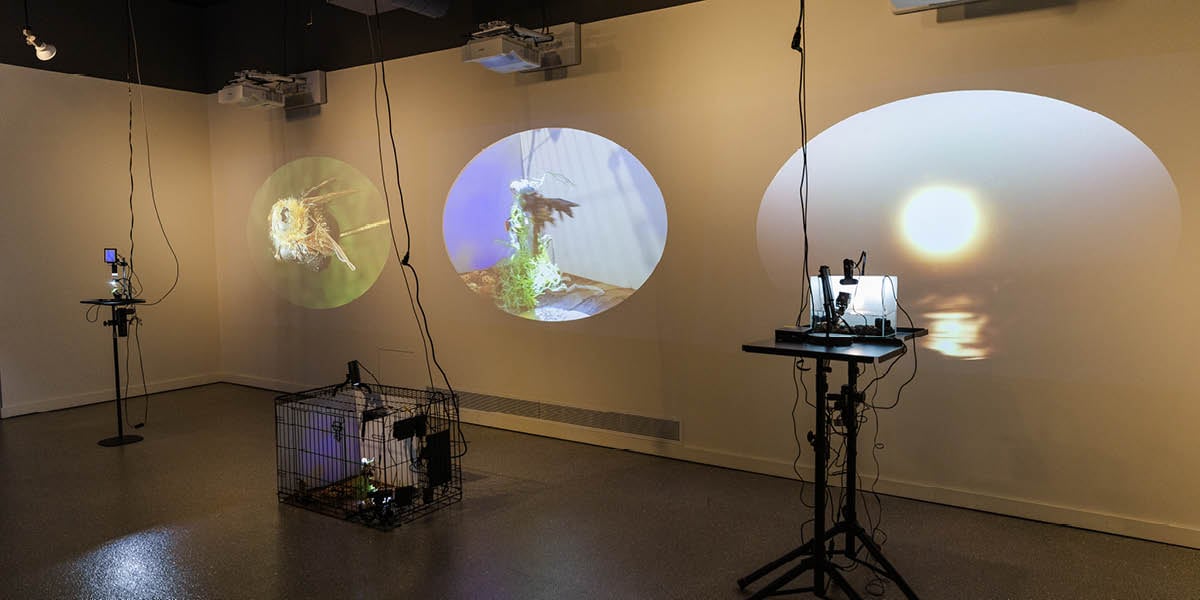
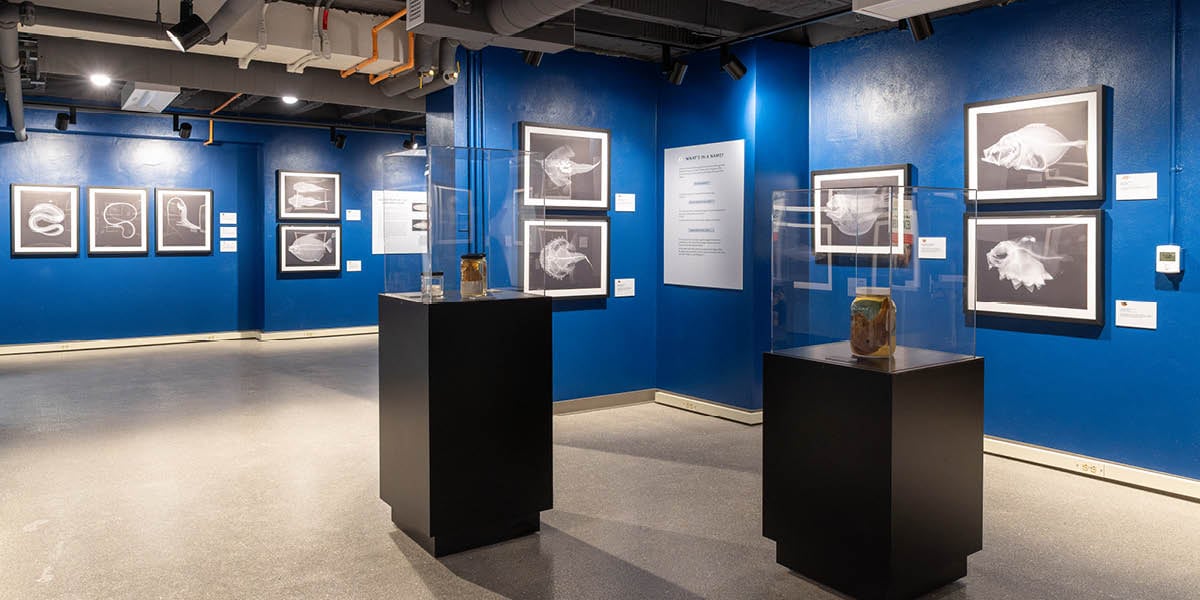
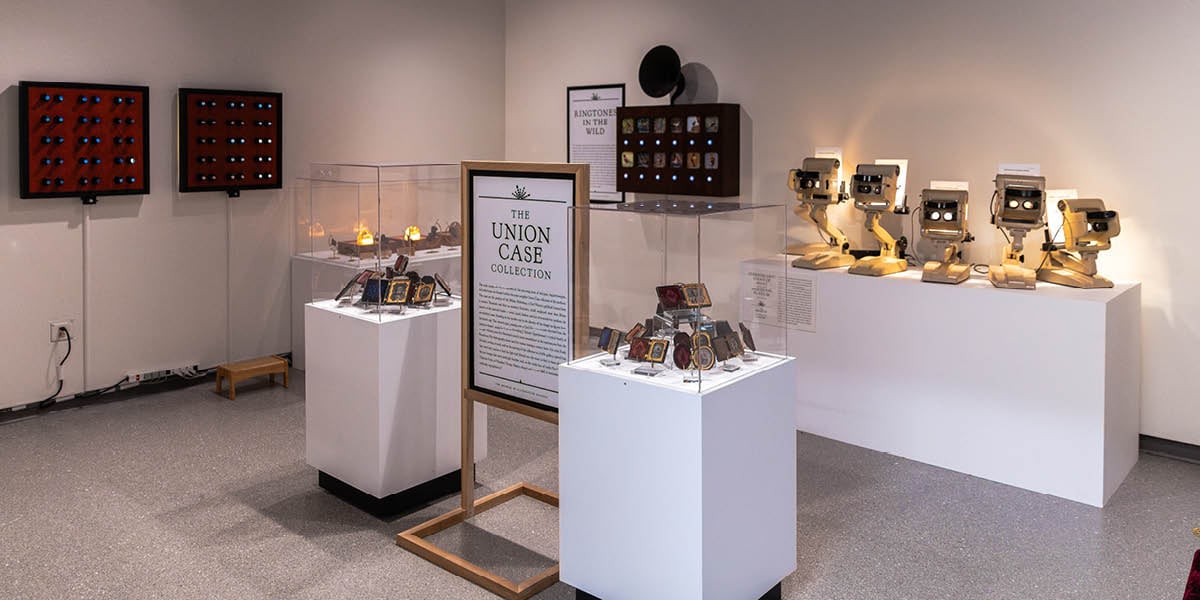
Included in the renovation — the museum’s first major infrastructure project in over 75 years — was the creation of the Immersive Lab and Exhibition Lab, made possible by a transformative multimillion-dollar gift from the Forest Akers Trust. These state-of-the-art, “purpose-built” spaces have elevated the student experience, says instructor Suzanne Fischer, offering new ways for students to interact with the museum’s collections, examine MSU’s past and future, and bring free public exhibits to life.
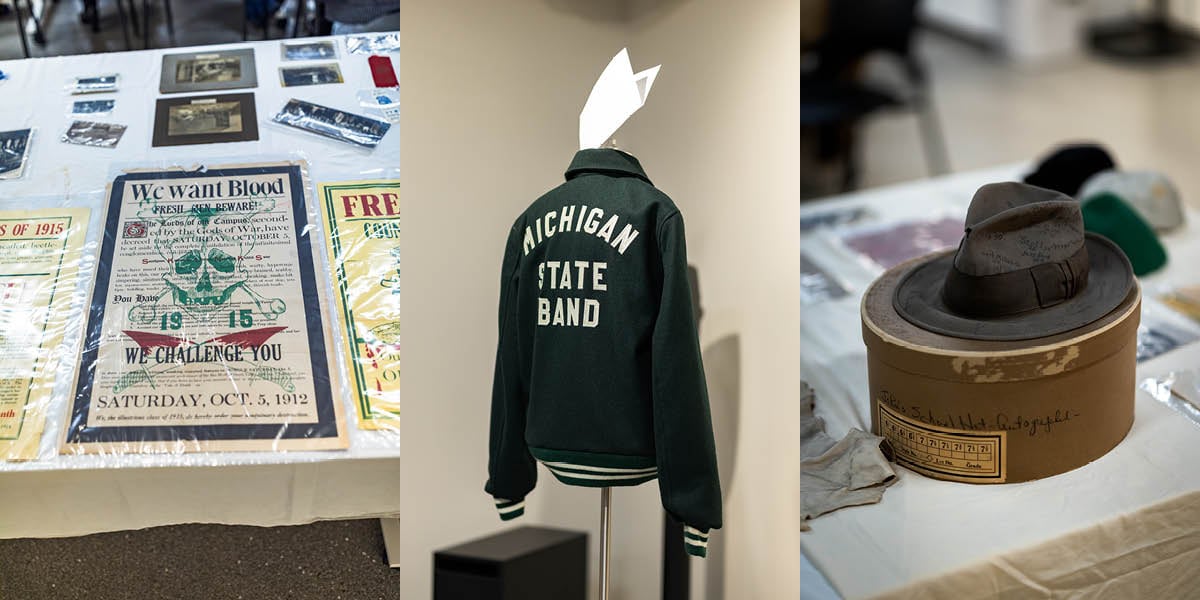
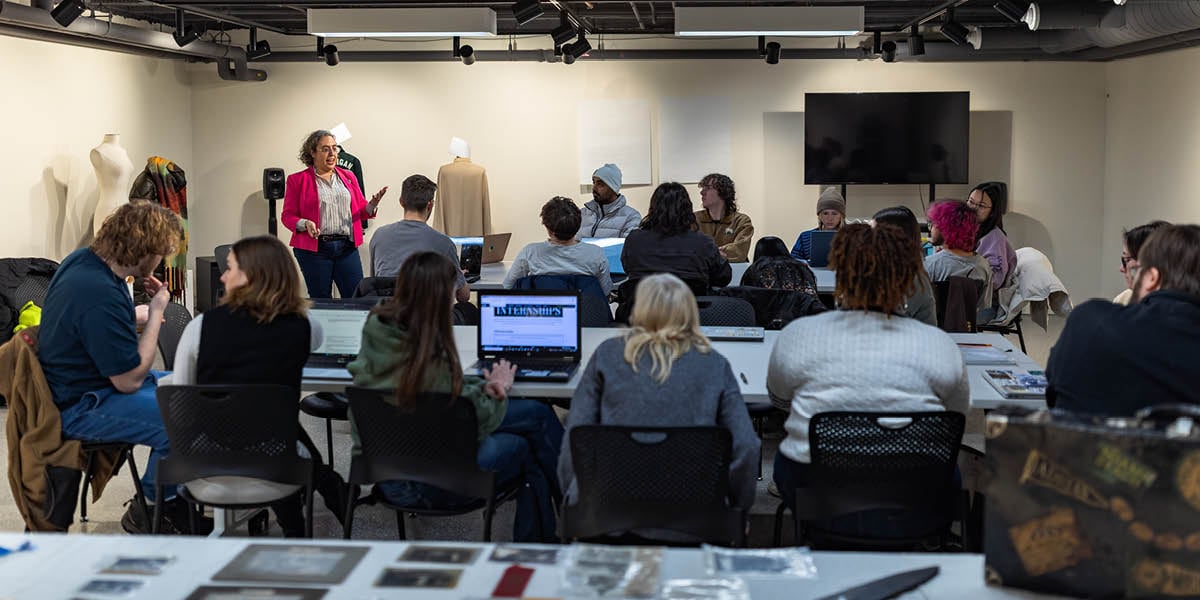
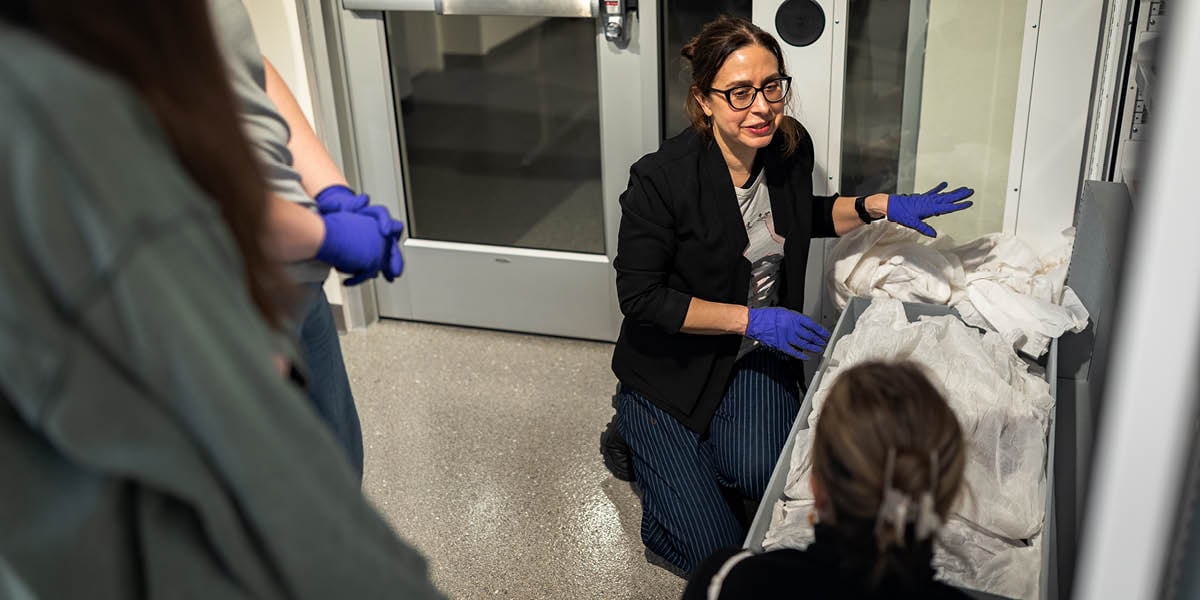
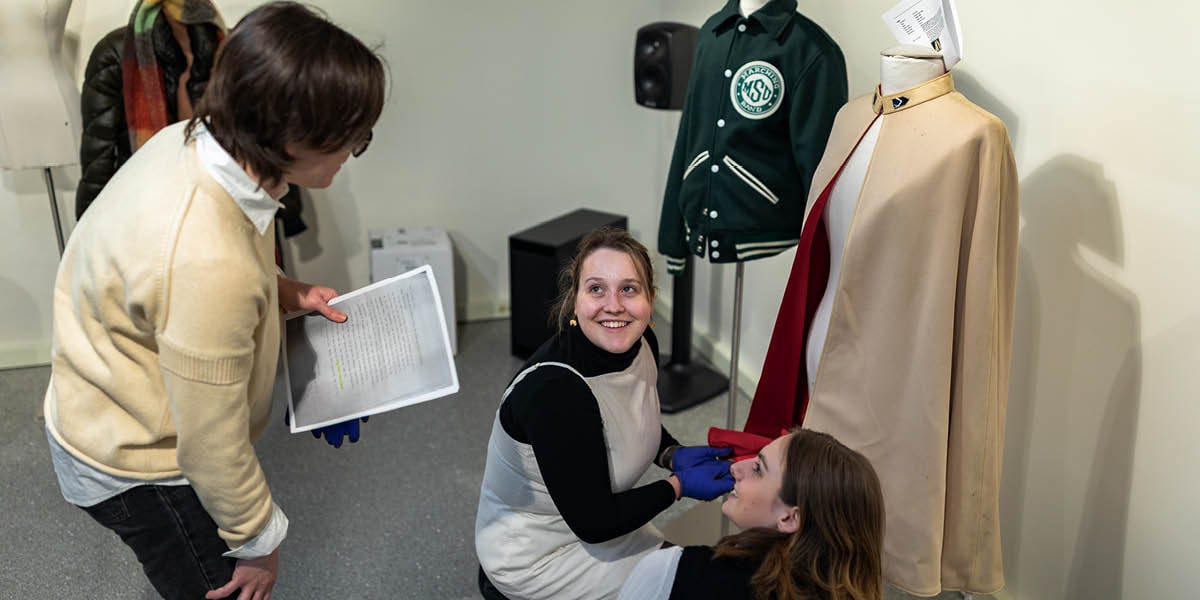
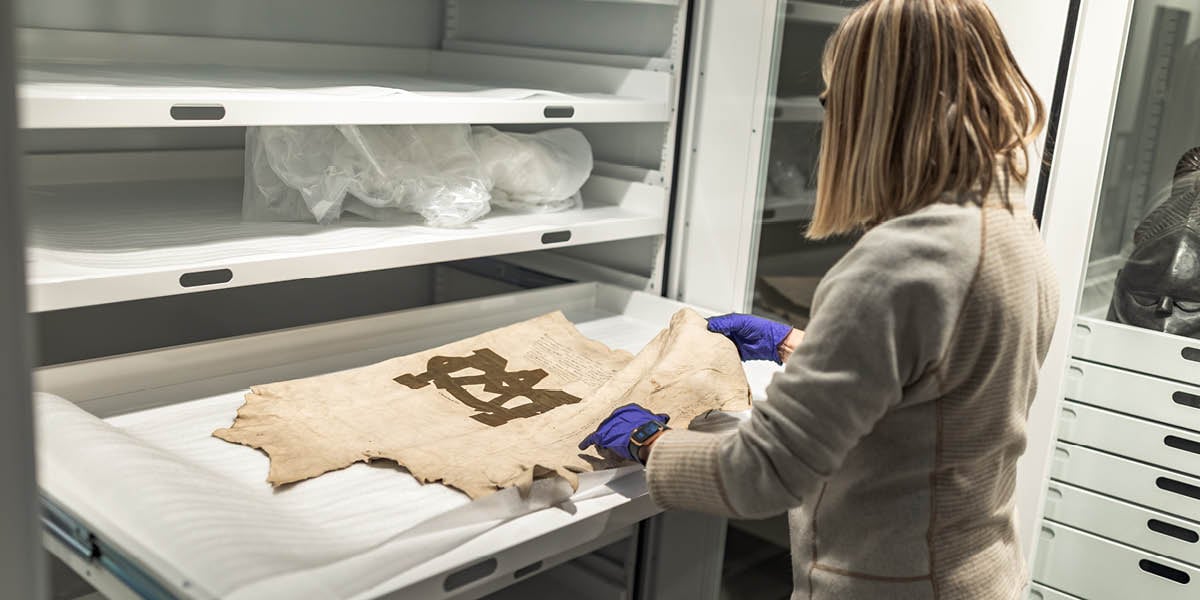
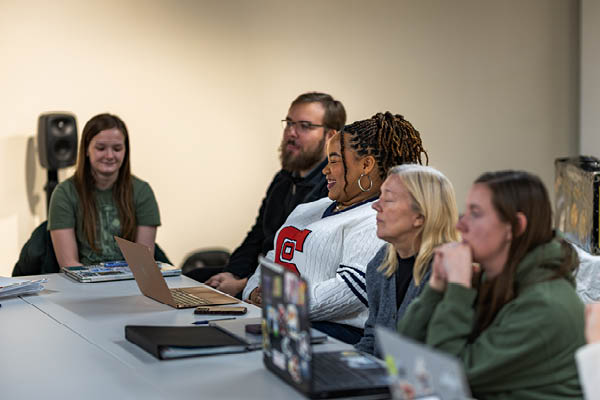
“It’s great to have that white box that we can fill with our imaginations,” Fishcer says. “It shows that MSU and the MSU Museum value these kinds of immersive experiences. They’re not just saying they value this work but really demonstrating that this is important to the university.”
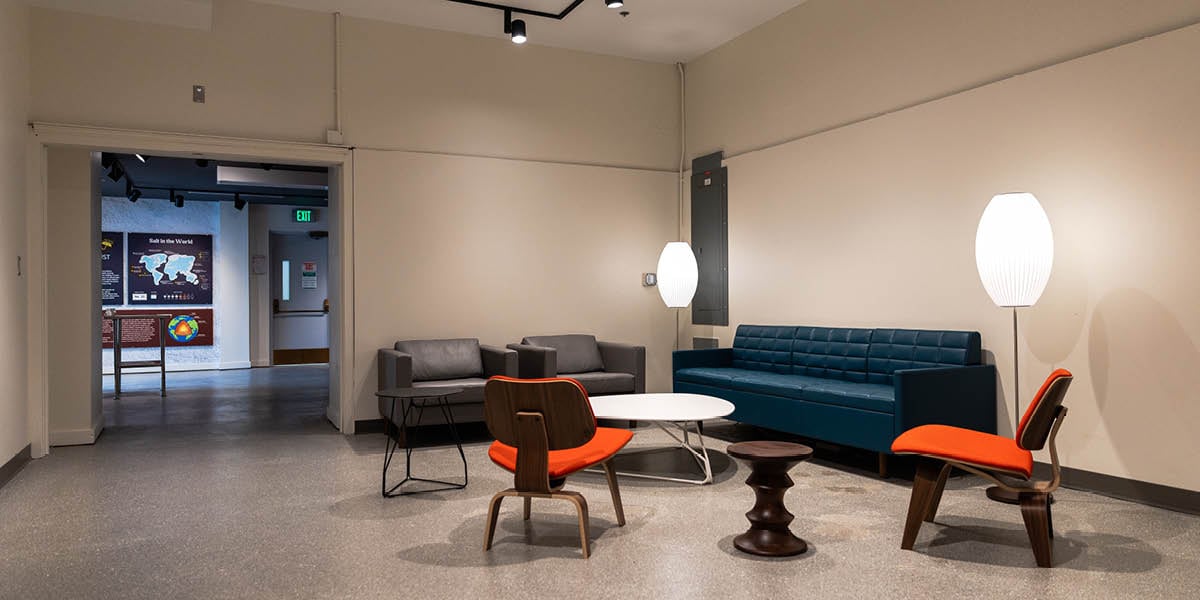
Designed to inspire curiosity, creativity and collaboration, the renovation reshapes how students and faculty interact with the museum and propels the institution toward new possibilities. Beyond the labs, new climate control systems support the integrity of the museum’s collections, and accessibility upgrades enhance the experience for all visitors. A continuing $20 million capital campaign, a part of MSU’s Uncommon Will. Far Better World campaign, extends that work, offering naming opportunities and investing in temporary and permanent exhibitions and the spaces they inhabit.
“We are the stewards of more than a million objects and specimens,” says MSU Museum Director Devon Akmon. “Our mission is to move in bold, new ways. We are a museum of ideas, where disciplines collide, bringing together students and faculty across multiple colleges to learn and experience things in new ways.”

“It's an investment in putting students first. Having partners that care about this work will keep it moving forward.” - Suzanne Fischer, Assistant Professor
“We're a space for social infrastructure on campus. All of this is about supporting students inside and outside the classroom and looking at the wholeness of their experience and how we can support that.” - Devon Akmon, MSU Museum Director


“The collection makes abstract ideas real. When students can examine dozens of specimens, they see the complexity that textbooks flatten. The collection creates a material connection to the history of scholarship at MSU.” - Matthew Toomey, Assistant Professor in Integrative Biology
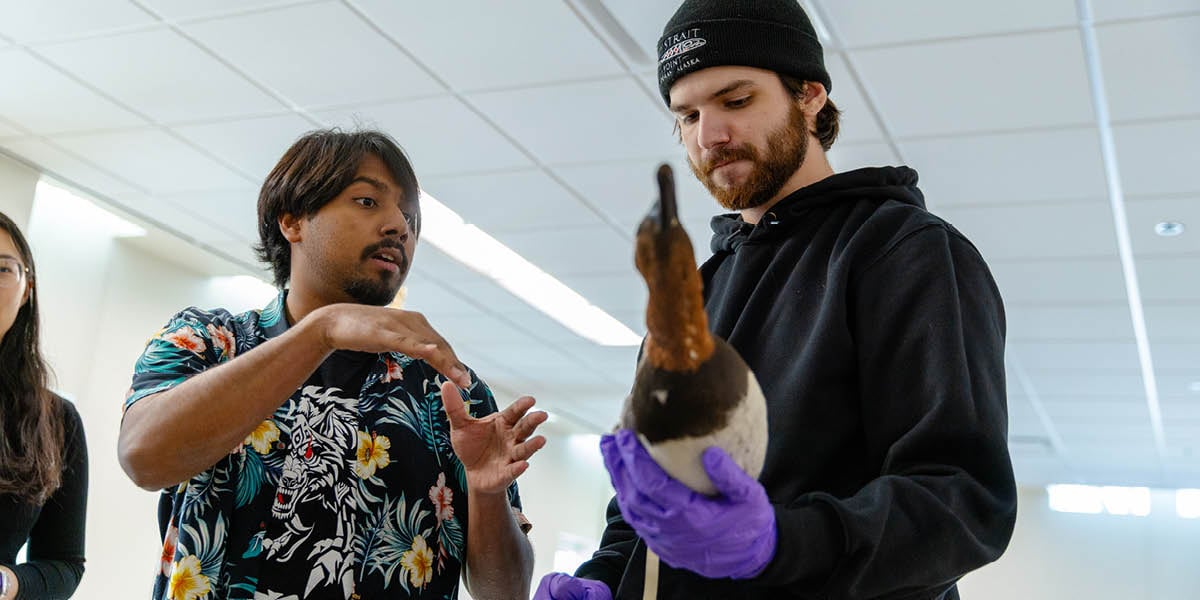
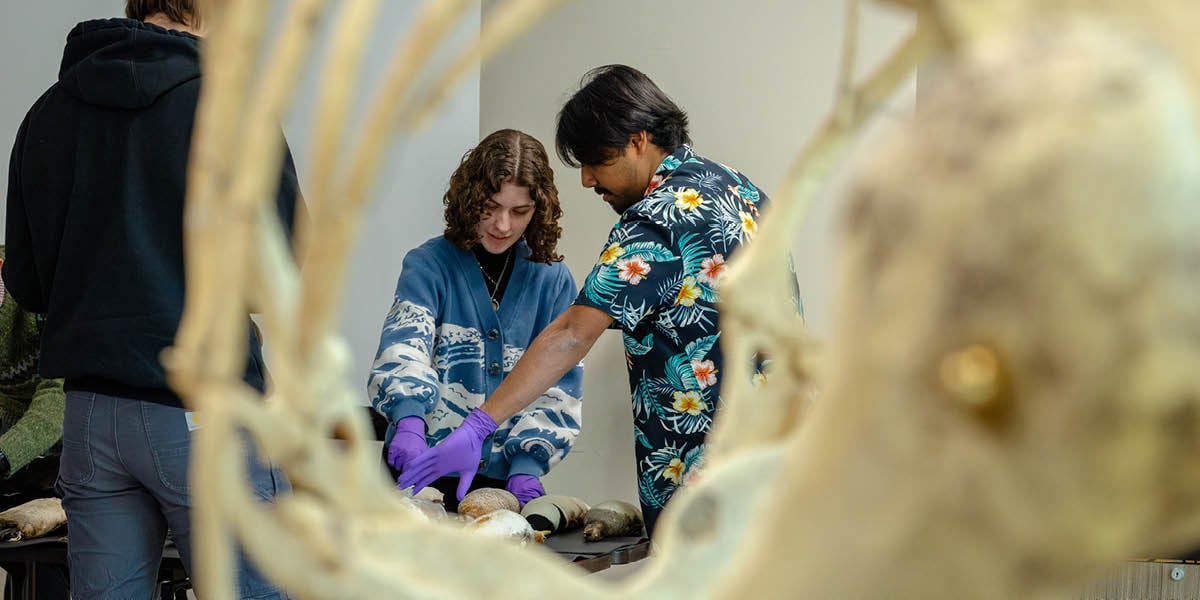
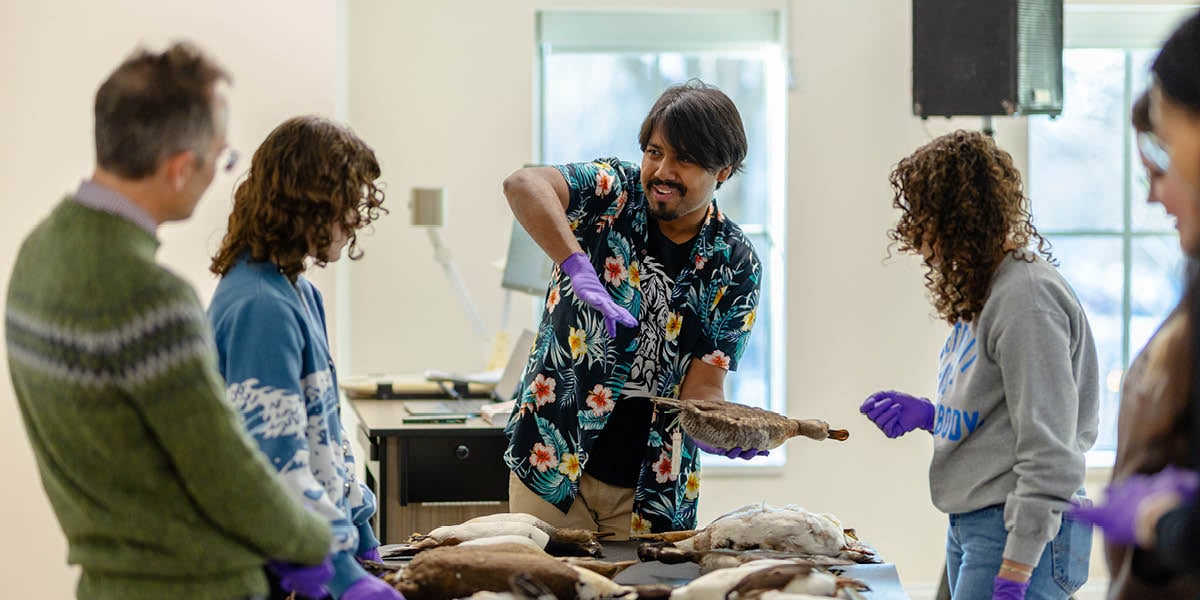
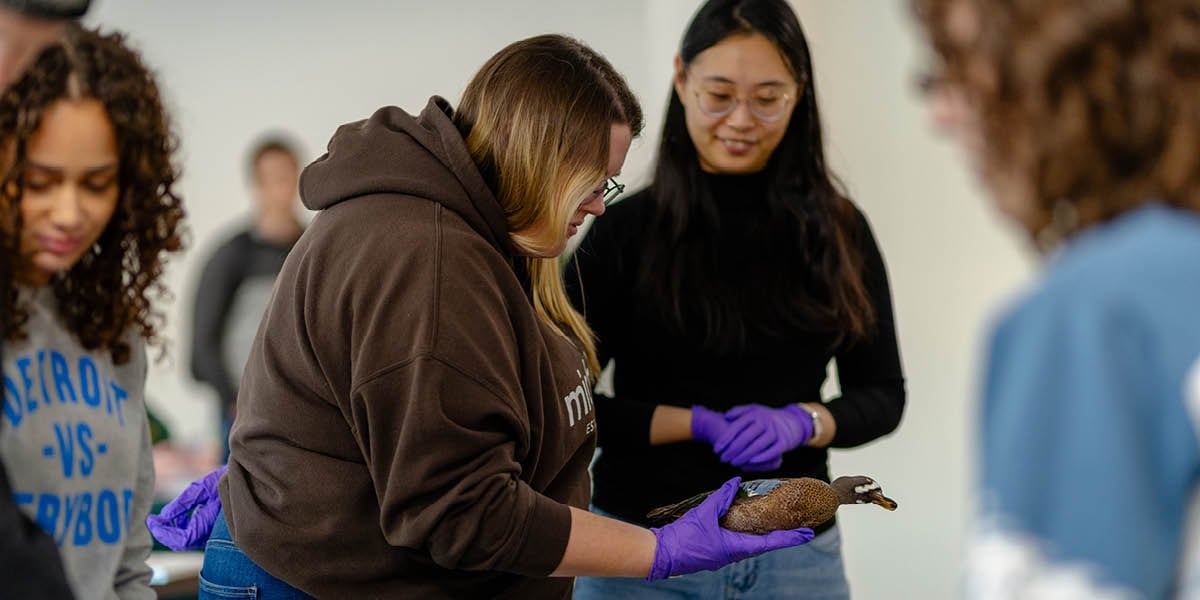
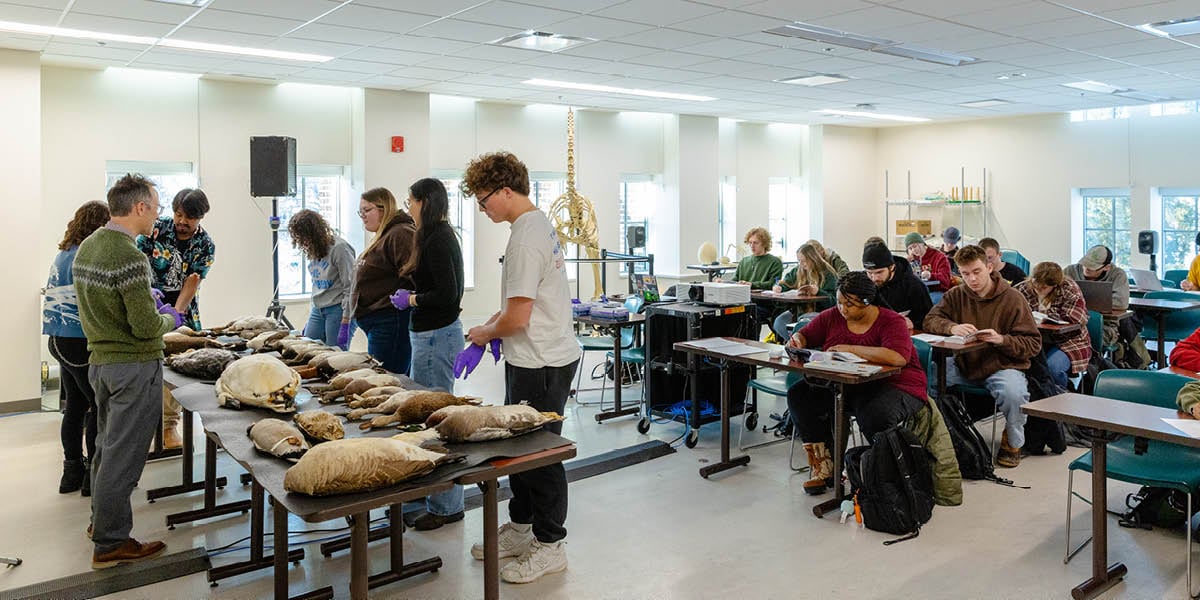
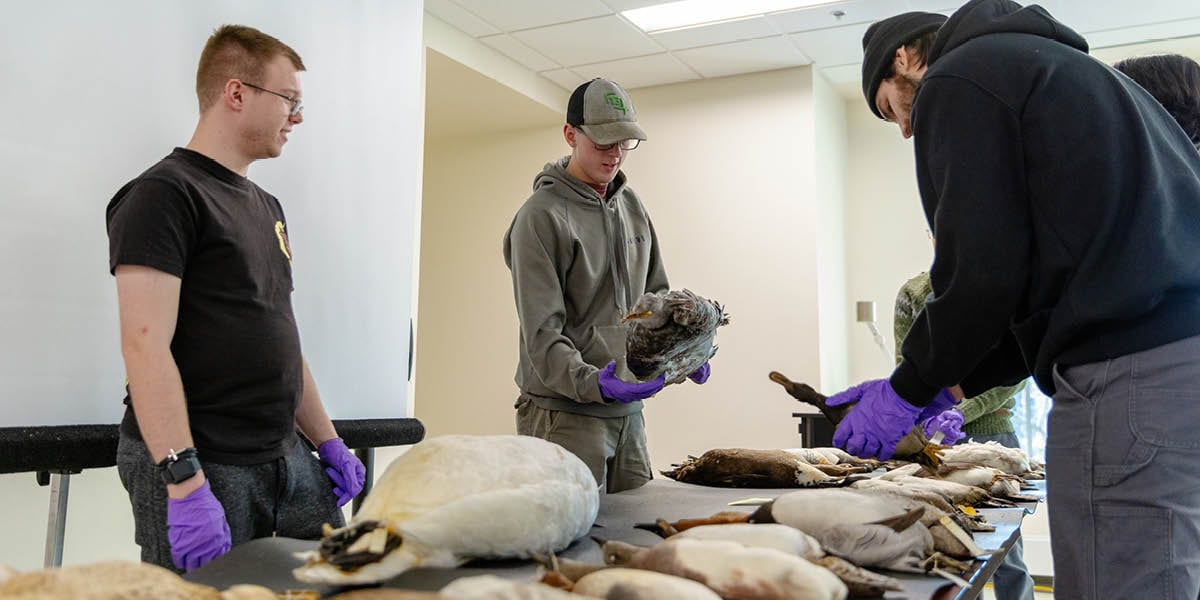
“It’s really important, especially for people going into field work, to be able to see and touch things. It’s very different seeing a picture of a bird instead of actually being able to handle one.” - Mya Gledhill, senior studying Environmental Biology and Zoology
