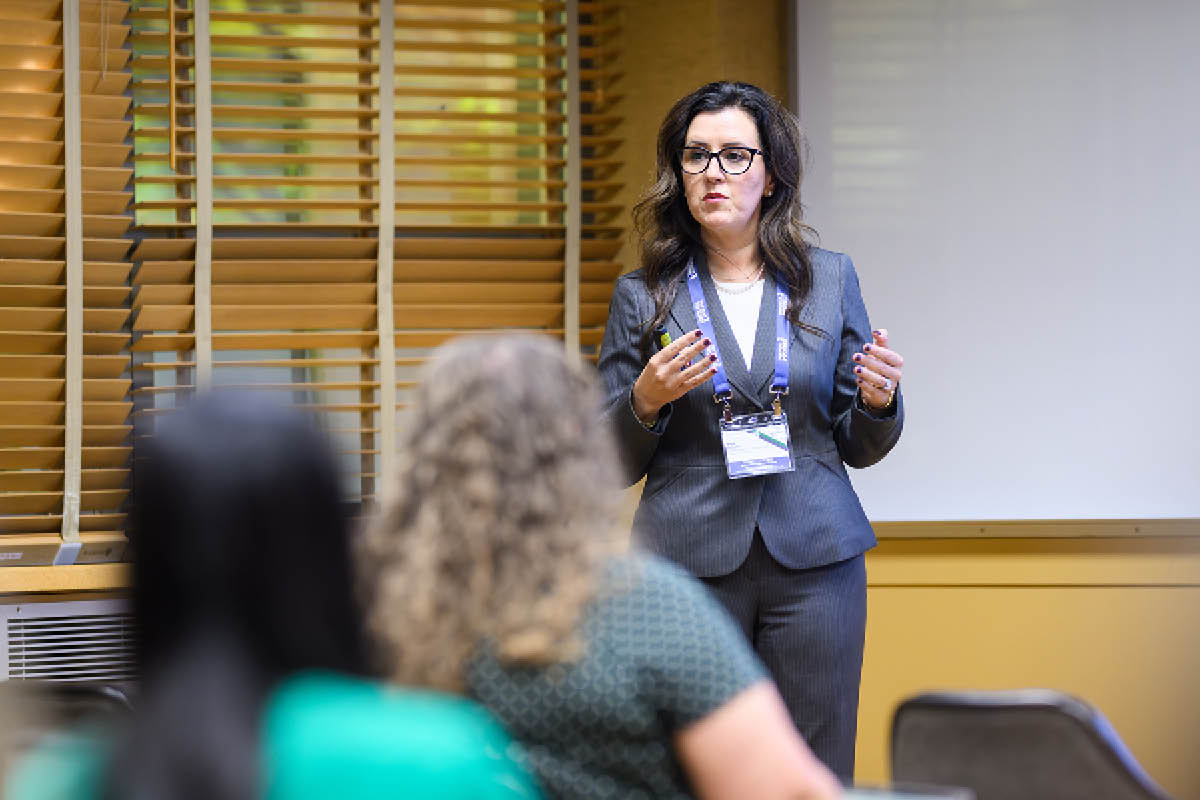
In the aftermath of a targeted act of violence, school communities scramble to figure out how it could have been prevented. A program at Michigan State University is dedicated to finding solutions. Prevent 2 Protect, or P2P, is a pioneering project focused on keeping Michigan school communities safe by preventing adolescent-targeted violence.
Established in 2022, the project pulls the experience of professionals across fields, including education, mental health, and law enforcement, to support communities and manage high-risk K-12 students who have made a threat of violence directed toward their schools. Through mentoring, case management, and improving access to mental health care and community resources, P2P provides early intervention and long-term support to those enrolled in the project.
MSU alumni are spread throughout the project’s hub and in five regional Intensive Support Teams (ISTs) throughout the state. Each IST has a case manager and at least one mentor, based in the community, working directly with the high-risk children and their families. The hub, housed in MSU’s Department of Psychiatry, guides the ISTs. The initiative serves school districts in multiple Michigan counties: Lake, Oceana, Mason, Calhoun, Ingham, Wayne, and Genesee.
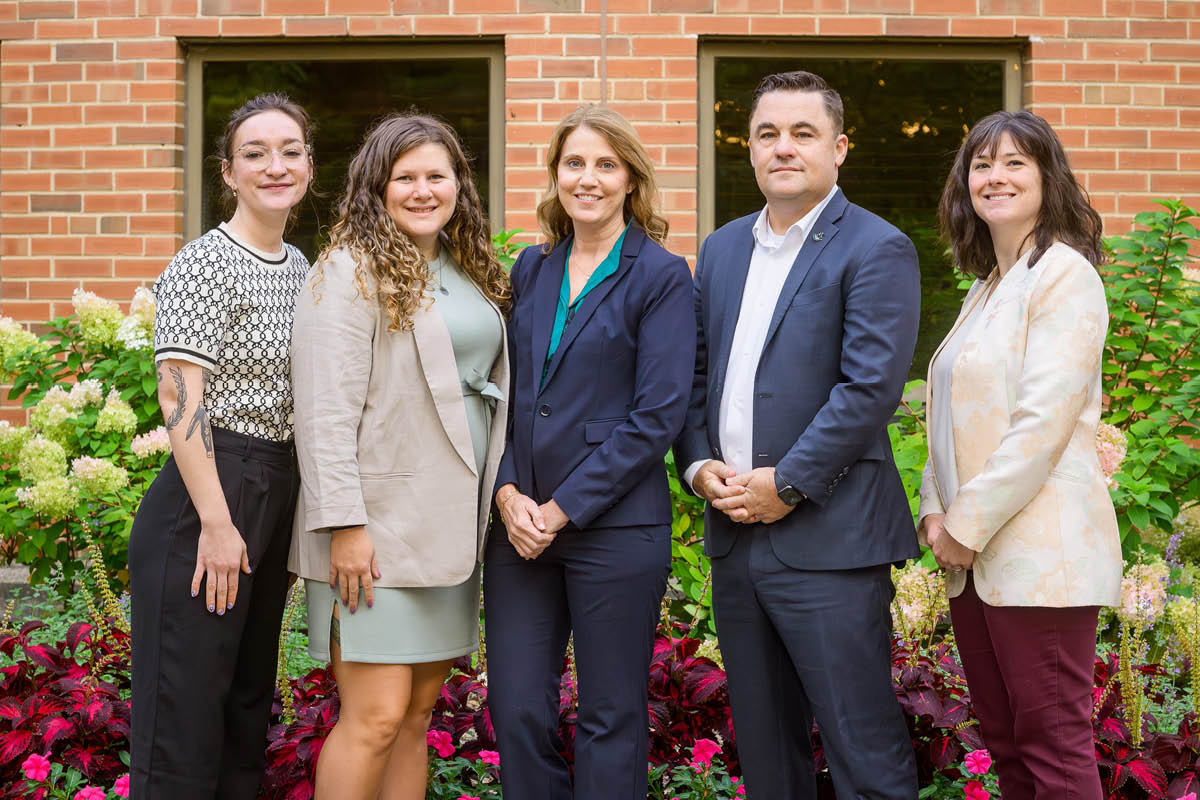
The Alumni
Director Alyse Folino Ley (‘96, D.O. ‘02), a child and adolescent psychiatrist and professor in MSU’s Colleges of Human Medicine and Osteopathic Medicine, founded the initiative.
“Working in the fields of trauma, resilience, and recovery, I realized that studying past tragedies was not enough. We have to prevent the next. And who better to lead that effort than Spartans? At Michigan State University, service to our communities is at the heart of who we are. There is no greater calling than protecting our children,” Alyse explains.
All five members of the P2P consultation and assessment hub are MSU alumni.
“Michigan State University and its alumni embody the very best of a unified community. Our multidisciplinary Spartan team brings together expertise, passion, and an unwavering commitment to serving our state. When Spartans unite behind a common purpose, there is no challenge too great to overcome,” Alyse says.
Project Manager Danielle Murphy (‘09, MA ‘17) earned degrees in communication and education, and is a doctoral candidate for MSU’s Higher, Adult, and Lifelong Education program. “With my focus on educational policy and implementation,” Danielle says, “I was really excited at the opportunity to take what I had learned to help get this amazing program up and going.”
Prior to joining P2P, Law Enforcement Liaison Ellery Sosebee (‘99, Criminal Justice and Psychology) was the Lansing Police Chief, with a combined 25 years of experience in law enforcement.
Megan Goldstein (‘13, Social Work) is the lead case administrator, using over a decade of knowledge of healthcare systems to guide her work. Before becoming the project’s communications coordinator, Lieza Klemm (‘24, Journalism) spent time in public media reporting and content creation roles.
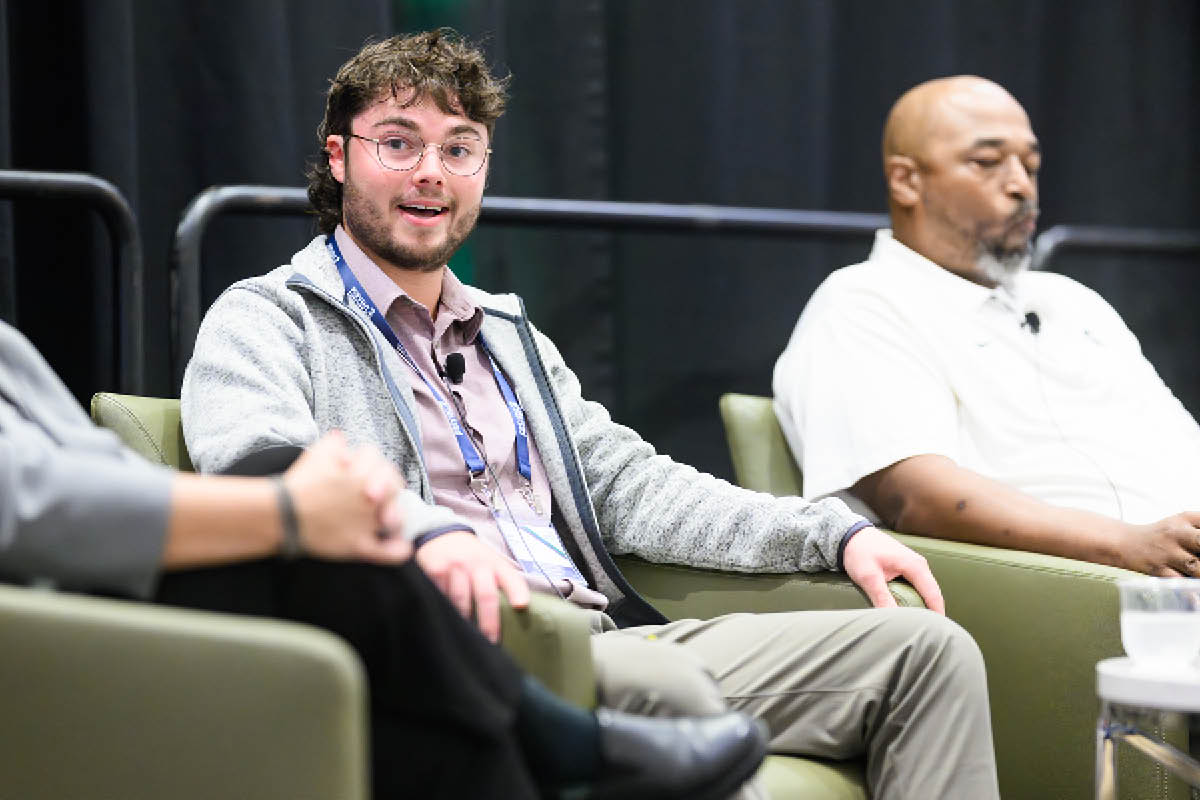
The project’s West Shore IST serves school communities in Lake, Mason, and Oceana counties, making it the team with the largest geographic impact area.
Noah Petzak (‘23, Sociology), one of the regional mentors, joined P2P after working with Ingham County Children’s Protective Services. Noah works alongside Regional Case Manager Syriah Keyes, who is a third-year doctoral student in the Educational Leadership and Administration program at MSU.
In Wayne County, Martine Highet (‘86, Criminal Justice) is the Lincoln Park Regional Case Manager and serves Wayne Co. through the Lincoln Park Public Schools. She says studying criminal justice at MSU went beyond learning about law enforcement. “It’s about understanding the people, the systems, and how to create safer communities,” Martine emphasizes, “and I certainly use that in my job now.”
And in Ingham County, MSU alumni make up the entire IST. Regional Case Manager Mary Gebara (MA, ‘12), who studied human development and familial systems, is passionate about educational equity.
Mentor Jaquohn “Jay” Greene (‘11, Psychology) was recruited to play football for the university in 1990 and fell in love with the campus the second he arrived. “I used to hear people say that all the time, and I understand what they’re saying,” Jay laughs.
Multidisciplinary Approach
Given the scope of the initiative, having a multidisciplinary team is crucial. Ellery says there is a diverse representation of different social service systems in the background of each team member. “While we’re no longer in those specific roles, our collective experience allows us to understand the challenges families face from multiple perspectives,” he explains.
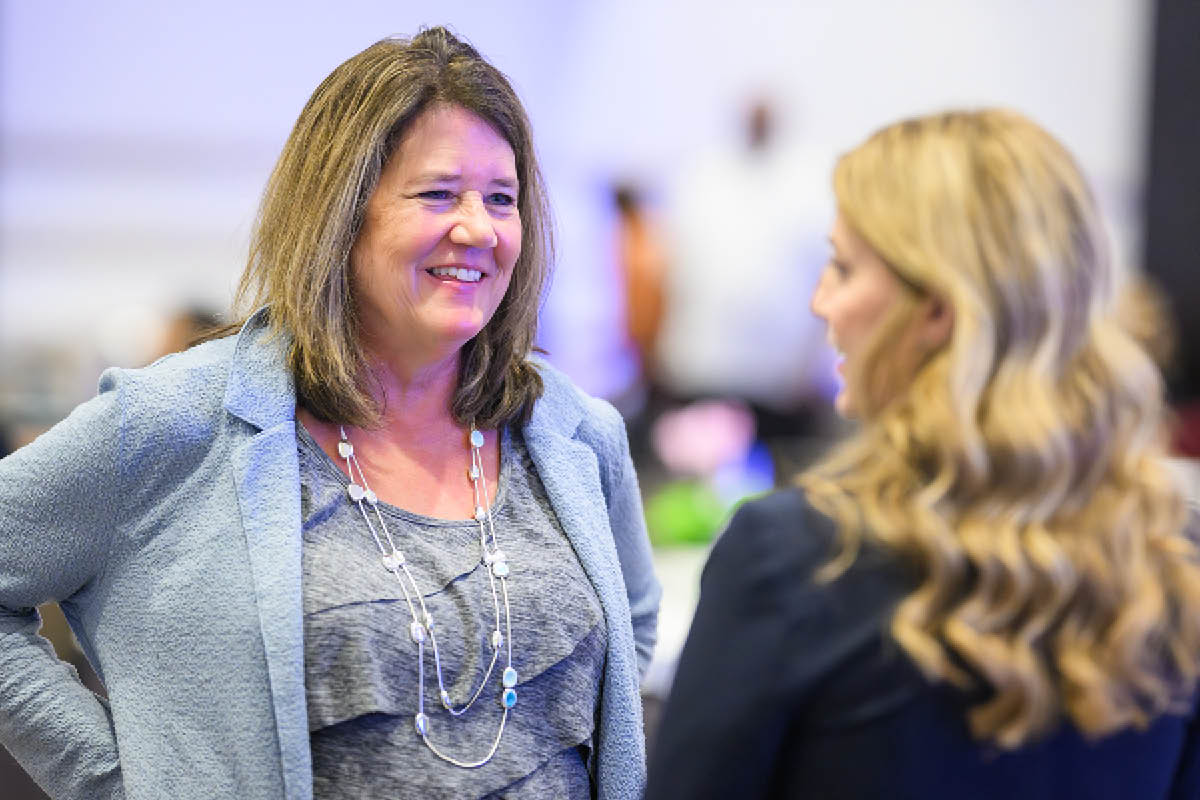
Martine says the field of experts at P2P makes the project unique. “I haven’t encountered a situation that I can’t pick up the phone and just say, ‘Hey, help me walk through this situation,'” she describes.
The entire team meets daily to discuss urgent issues with participants. Each IST has a separate meeting with the hub team to get updated on every participant in the team’s region. “I never have unanswered questions,” comments Noah. “I can always get an answer from one of our team members who has experience in that field.”
The mentors are heavily involved with the participants. Each participant is seen at least three times a week. “Every kid is different, so you have to come up with different ways to support them best,” Jay says. “This is the best group of people to figure that out.”
“I feel like this is the dream team,” he adds.
The multidisciplinary approach ensures that every individual is viewed through a comprehensive, human-centered lens, with all aspects of their situation accounted for. “It allows us to understand the whole child,” Syriah explains, “and get them the supports they need.”
Serving Michigan
The impact of combining the knowledge, passion, and expertise of MSU alumni is evident at P2P. Since its launch, every aspect of the project has grown.
There are 38 partnering school districts across the initiative’s established regions. P2P has fielded over 130 referrals from those school districts.
As of June 2026, there are 58 participants in the five P2P regions. Representing school districts that, combined, serve approximately 80,000 students, these enrollments reflect the project’s expanding reach and its commitment to helping young people thrive.