Faculty and staff are at the heart of Michigan State’s impact. Every day, they teach, mentor, discover and serve communities across the globe. They also give back. During the Uncommon Will, Far Better World campaign, 8,073 employees and retirees have contributed more than $97 million, supporting the programs and opportunities that make the Spartan experience possible.
The stories below highlight just a few of the many Spartans whose generosity reflects their belief in MSU and the opportunities it creates.
Leo Kempel
Dennis P. Nyquist Endowed Professor of Electromagnetics
University Distinguished Professor
“I give back to MSU because it provided my family a lot of opportunities—and we want to give those opportunities to others.”
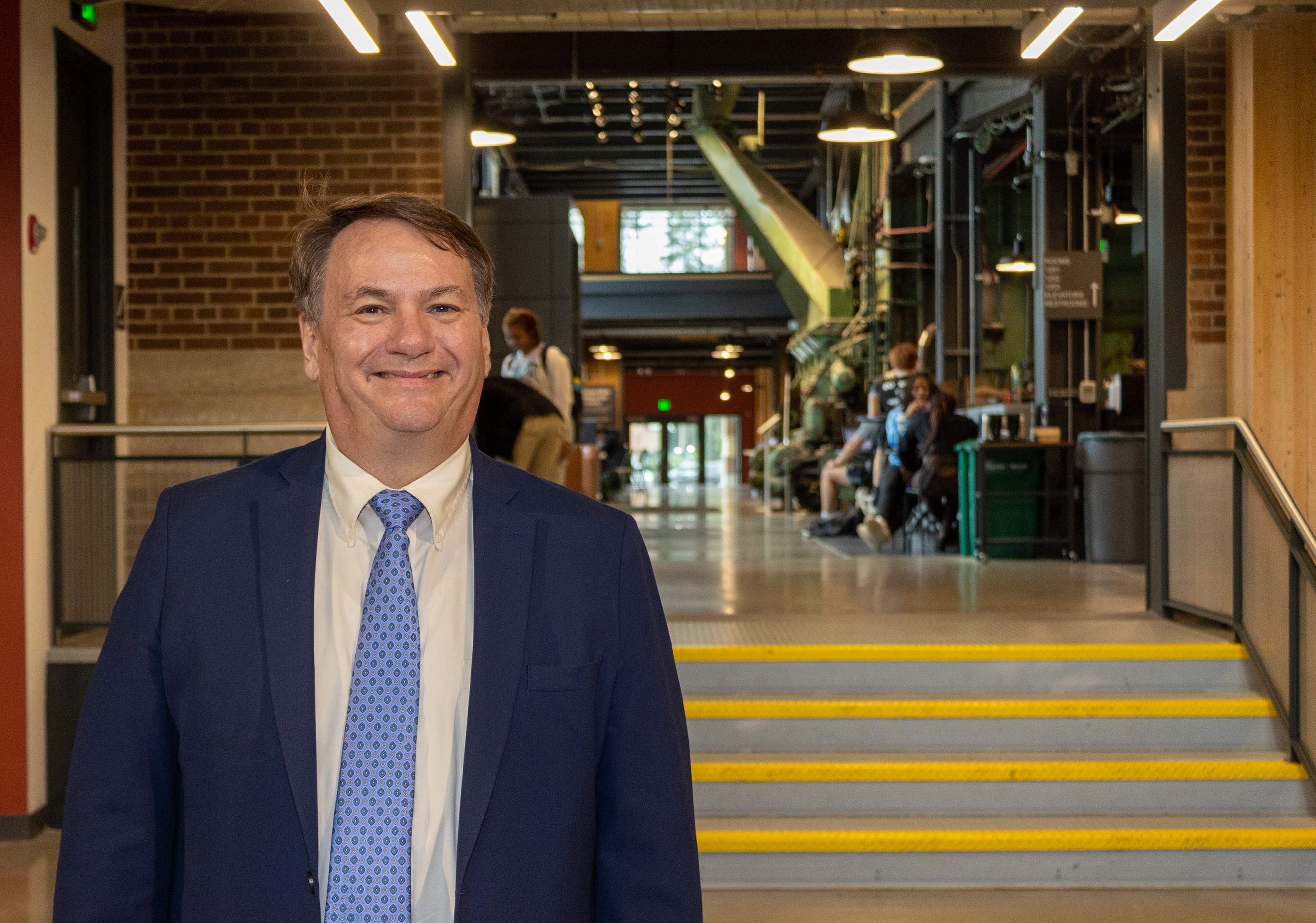
Leo Kempel’s donor journey started in 1999 with $25 and a tax credit.
“I figured out it was free,” he said of his first gift. “At the time, if you made a gift up to a certain amount, it really cost you nothing. And I'd rather give the money to MSU than to the state government.”
Today, that tax credit is long gone, but Kempel’s generosity has only grown in the decades since. A generous supporter of the College of Engineering’s Wolff Student Activities Endowment, which assists undergrads with travel to professional events, student competition teams and other co-curricular activities, Kempel says giving is just part of a habit. Years ago, he set up a recurring gift and has been quietly helping fund the endowment with each paycheck.
“I’ve lost track,” he said. “The great thing is it happens automatically. It’s a normal part of my process—like paying bills.”
Kempel, who served as dean of the MSU College of Engineering from 2014 to 2024, has seen the impact and opportunity made by gifts of all sizes. Working closely with students, he knows how thin the financial line can be.
“A lot of our students are right at the edge of whether they can stay here or not,” he said. “It's a terrible waste if they can’t. You need to have these tools to keep the most important part of a college, which is its people.”
To extend the MSU experience to even more people, Kempel created the Thomas L. Kempel Family Endowed Scholarship to assist first-generation Michigan college students who enroll in the College of Engineering. “MSU is a place of opportunity. Doesn’t matter where you're from, what your background is, what your experiences are, you can come here and do something.”
A first-generation college student himself, the endowment is named for Kempel’s father. “My parents scrimped and saved to send me to college,” he said. “They made this possible.”
The Kempel Family Endowed Scholarship is expected to be awarded to its first recipient ahead of the fall 2026 semester.
Overall, giving is all about opportunity. “A lot of alums look back and say, ‘I did something that I couldn't have done without MSU,’” he said. “It makes me proud to see alums donating back to their programs. They graduated, got jobs, and now they see that value.”
Talk about a good habit.
Natalie Read
Graphic Designer at Wharton Center
"I give back to MSU because MSU gave so much to me. MSU gave me a worldview perspective, an education, my employment and a new purpose in the community."
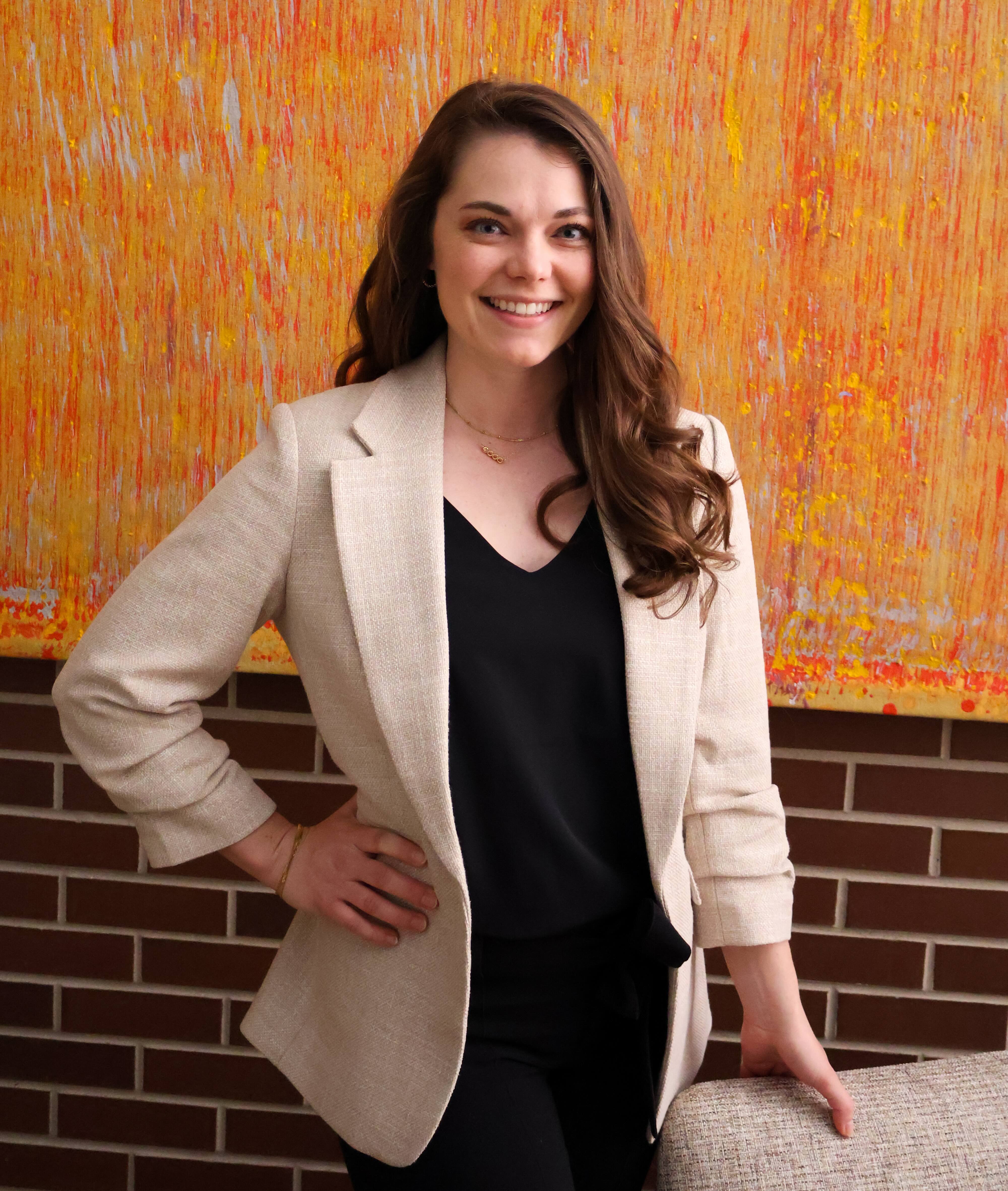
There was never a time when Natalie Read considered not giving back to Michigan State.
Giving is part of who she is, how she was raised, and the example she hopes to set for others.
“Start small,” Read said. “Ask yourself, ‘How am I making a difference? Am I just taking care of myself, or am I taking care of other people?’ If you have any wiggle room, it’s always worth it. You’ll never regret helping other people.”
Generosity was instilled in Read from a young age. And her time at MSU showed her the real impact donors can have.
As a four-year member of the MSU Pompon Club, donor support helped fund coaches, travel, uniforms and more. The pom club was a “coming-of-age” group, she said, and, like many student organizations, provided a sense of community and belonging at a crucial time. Today, Read serves as the club’s staff advisor.
“My parents taught me to be generous. They taught me the value of community, and I have never felt a stronger community than at MSU,” she said. “I really value what this university does for young people, not only for their education, but at such a pivotal moment in their lives.”
When she gives, Read spreads her support, choosing one cause in the arts, one in athletics and another student-focused program. Recent gifts have supported Arts Within Reach, the ComArtSci Student Emergency Fund, Broad Art Student Support, the Education Abroad Passport Program and the Competitive Excellence Fund.
Read also prioritizes women’s athletics such as track and field, cross country, cheerleading and, of course, the pom club.
“I love women’s sports. They’re so empowering,” she said. “I was an athlete growing up, so I know how heavy those financial burdens can be. I like to look around and see where help is most needed. One year I even gave to the Beekeeper’s Club.”
Most of Read’s giving happens during MSU’s two largest fundraising days, Give Green Day in March and Giving Tuesday at the end of the year. She hopes to increase her support in the years ahead, but she knows that every gift matters.
“So many people think you need to give a lot of money to make an impact. You don’t,” she said. “I started at a really small entry point because it’s important to me. I think everyone wants to make a difference, but sometimes they don’t know how. MSU makes it easy.”
Shannon Schmoll
Director of the Abrams Planetarium
"I give back to MSU because I value the work MSU does in giving back to the community."
The Abrams Planetarium has been a pillar of the Michigan State community since 1964, serving as a hub for astronomy and space science research. As director of the planetarium since 2014, Shannon Schmoll knows she’s part of an important Spartan legacy.
“I’ve been here for 12 years, but the planetarium has been here for 62 years. I’ve been here for a very small portion of this,” she said. “It’s not just me. What we do and how we contribute has been built by so many people, and I want it to continue. I want to do a good job and honor that legacy that others started.”
That was part of the reason why Schmoll made her first gift back to the planetarium as it navigated the challenges of the pandemic in 2020. For nearly a year, Schmoll was the planetarium’s lone staff member.
“I started giving back to make sure that we would be in a better place when our staff started coming back,” she said. “That was a hard time.”
Emerging from the pandemic, Schmoll’s giving continued. She believes deeply in the planetarium’s mission as part of the university and the community. As both a donor and director, she is helping the planetarium expand its interdisciplinary scope and develop new partnerships to reach a wider audience across campus.
“We have worked with and created programs with nearly every college on campus,” Schmoll said. “It reminds me of the planetarium community itself — we all know each other, we all help each other, we all want each other to succeed. It’s the same way at MSU.”
Donor support has a transformative effect on the planetarium, Schmoll said, helping keep admission affordable while developing new programs and projects.
“When anybody donates, it tells us that we’re doing something that people appreciate,” she says. “And it allows us to be able to work with people in many ways. We work with the public, we work with students, we work with faculty, and we work with other organizations to bring the universe down to Earth.”
Kevin Leonard
Director of MSU's Native American Institute
“I give back to MSU because MSU is a life-changing institution.”
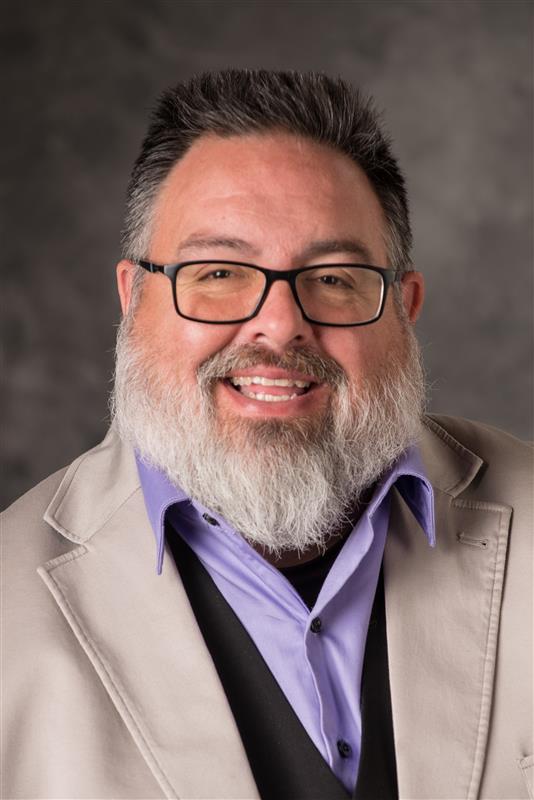
“MSU changed the trajectory of my life,” said Kevin Leonard, a three-time Spartan grad and director of MSU’s Native American Institute. Leonard, who has been working in various campus roles for 25 years, recalls the impact of donor-funded programs from his student days.
“I'm so glad for Multicultural Business Programs, and that the university and the Broad College of Business have supported that for so long,” he said. “I don't think I would have gotten in—I don't think I would have been a business student—without it.”
Now, Leonard wants to forward that generosity onto the next generation of Spartans. He’s a longtime member and supporter of EAGLE (Educating Anishnaabe: Giving, Learning, and Empowering), which provides advocacy and support for MSU’s Native students, faculty and staff.
“I know what it's like as a student,” he said. “Occasionally, you run on hard times and need some emergency funds to get you through. Doesn't mean you need it every semester, but seeing that EAGLE now has those funds because of our alumni and others on campus, it's a good feeling.”
Leonard also participates in the MSU Center for Community Engaged Learning’s annual Fill the Bus event, which provides school supplies for local K-12 students. “It's good to be able to know where the money goes,” he said. “You can see the impact it's having, not just imagine.”
As Kevin Leonard works to enhance the student experience, he’s changing the trajectory of many lives, in East Lansing and beyond. And that kid from the 300-person Upper Peninsula town of Detour Village may appreciate MSU’s global reach more than most. “I've been all over the world, and when you’re sitting in a café and somebody hollers ‘Go Green!’ at you. How do you put a dollar figure on that?”
Jill Cords
Career Consultant, MSU Career Services Network
"I give back to MSU because I want others to have the same experiences I’ve had."
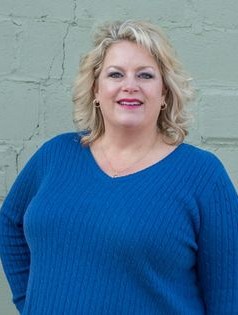
Jill Cords stopped in the barn for a quick but important task.
One of the young cows on her family’s 1,200-acre farm in Charlotte, Mich., was struggling. She spent 15 minutes bottle-feeding the hungry calf before starting the half-hour drive to East Lansing.
For 26 years, Cords has worked as a career consultant with the MSU Career Services Network for the College of Agriculture and Natural Resources, helping students connect with internships, employers and opportunities in the field.
In many ways, her personal and professional worlds mirror Michigan State’s land-grant history, guiding the causes that inspire her to give back. Since 2013, Cords has made a monthly gift to the Hawking Livestock and Meat Judging Team Endowment — a 13-year commitment that is close to her heart.
“As a student, I was on the MSU Livestock Judging Team,” Cords said. “You learn a lot in the classroom, but some of the most memorable experiences are the ones outside of it. I’ve stayed in touch with the team. The places we went and the people we met helped open doors in our careers.”
A photo of the 1996 team she competed with hangs in her office, and she delights in any opportunity to interact with the now-retired Dr. Hawkins and his wife, Kathleen. The couple started the endowment to support students with travel and other costs associated with competitions.
Cords also gives monthly to the Frances Kaneene Study Abroad Scholarship, which supports international study for students in the Department of Community Sustainability. Cords’ own study abroad experience in the United Kingdom was “one of the capstone experiences I had at MSU.”
“Frances was very kind and caring to students,” she added. “When she unfortunately passed away, her family started the scholarship. To honor her memory, her legacy and the difference she made in the lives of so many students, I chose to give a small amount each month.”
Cords believes that giving is a personal journey. As a first-generation college student who benefited from grants and scholarships, she knows firsthand how life-changing every dollar can be.
“You can start small,” she said. “I started at $5 a month. Over time, it adds up to make a great difference.”
Deborah Johnson
Director of the Diversity Research Network
MSU Research Foundation Distinguished Professor
"I give back to MSU because I want to invest in the future. I give back to MSU because I want to see us become an even greater university. I give back to MSU because its mission is inclusive, and I want that represented in our society, in our world and continually on our campus."
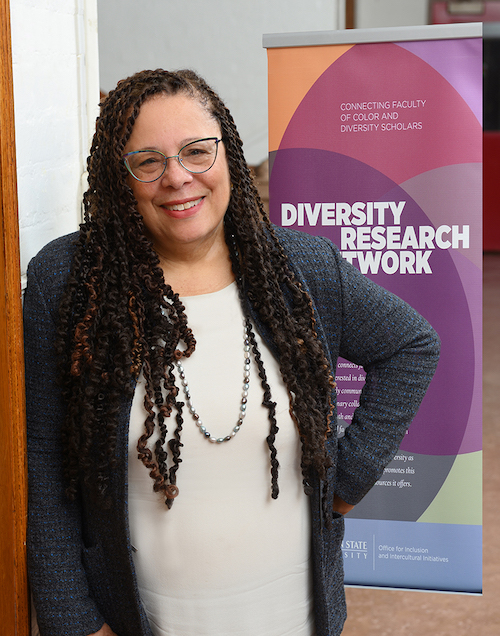
“How wonderful is it to be part of something great?”
Just days after announcing her retirement, Deborah Johnson pondered the nature of her long relationship with Michigan State University. A relationship that began in 1999 as a professor of Human Development and Family Studies and has grown into something much deeper.
Johnson holds several titles—University Distinguished Professor, MSU Foundation Professor, and Director of the Diversity Research Network (DRN)—each reflecting her longtime commitment to the place she calls home.
“I’ve lived most of my adult life in universities,” Johnson said. “They’re not just institutions, they’re homes to me, and MSU is my longest-standing home. If I didn’t do something to support the place I live, that would just seem strange to me. I want to be part of a viable community.”
Johnson has been giving back nearly as long as she’s been at MSU. What started as a $50 gift to the College of Human Ecology has grown to thousands spread across causes she believes in. From the DRN to Migrant Student Services, the Chicano Latino Studies Fund, the MSU Food Bank, the Native American Institute and African American and African Studies, Johnson chooses her causes carefully.
“I really think about who I am as a person and the people that helped me along the way,” she said. “Nobody makes it without some serious support, somebody reaching back. My heart is with our cultural communities. I’m giving for those young people, and if those gifts create opportunities that give them equal footing in the world, I’m all in.”
Those passions are reflected in her role as director of the DRN, a university-wide initiative connecting faculty, particularly those from underrepresented groups, who study diversity, inclusion and underserved communities. Donor support has allowed the program to offer new opportunities to a larger audience while opening doors for the people they serve.
“That’s what donors do; they’re opening doors,” Johnson said. “When donors seek to support us, they’re changing what happens in the world. And it doesn’t take a lot of money to do that, but it takes belief and commitment in those programs.
“It goes back to putting your money where your mouth is, put your money where you live. You have to be generous with others. Those values take us to a place that continues to change and elevate the world. And we need it right now.”