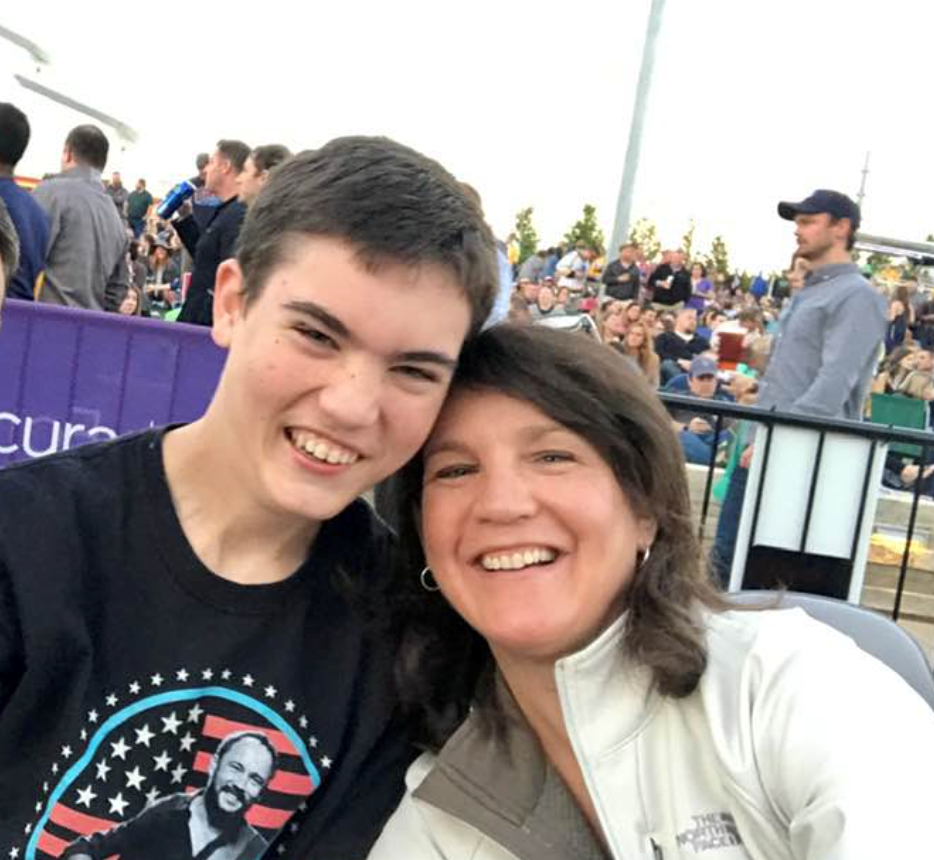
When Jen Vogus saw her son, Aidan, connect with his classmates through pictures, she started to get the picture herself.
“Aidan has a rare genetic condition,” she said. “He has a microdeletion, missing eight genes on his ninth chromosome, and one of those is very important in producing a protein that allows the neurons in his brain to communicate—he only produces half of the amount of that protein. The symptoms are intellectual and some physical disabilities. He doesn’t communicate verbally with words.”
When he was a child, Aidan used pictures taken by his mom to bond with kids at school. Seeing images from his life was how they learned about Aidan’s family and interests.
“It was a crucial starting point,” Vogus said. “They found out he loved Spider-Man—so did so many of them. I eventually realized that this concept is something that could help many people.”
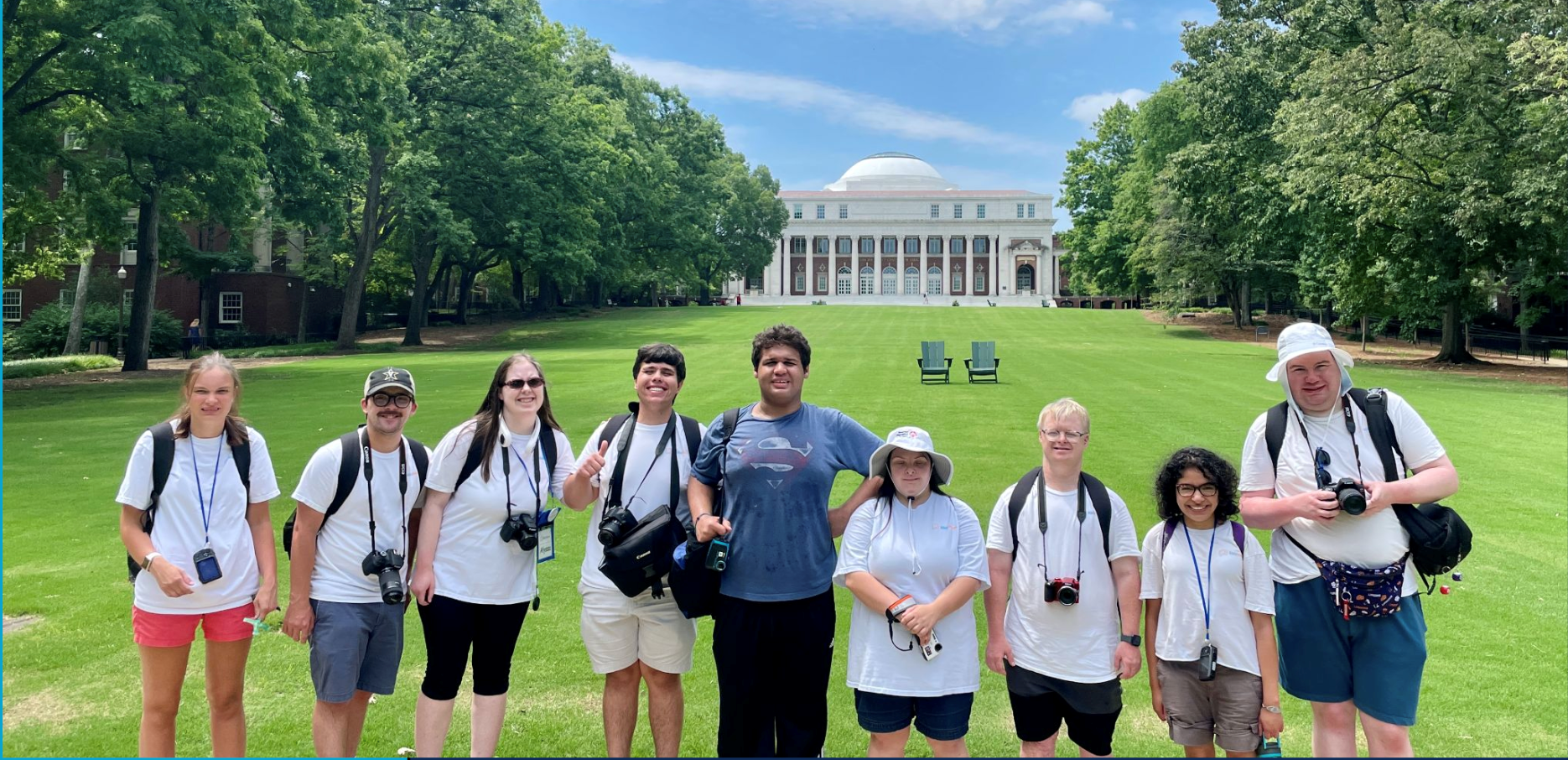
AbleVoices, a Brentwood, Tenn.-based nonprofit founded by Vogus in 2019, teaches teens and adults with disabilities a skill of expression, but also one which offers the possibility of employment. “We focus on photography, “said Vogus. “Our foundational course is Photography for Self-Expression. Participants learn how to use the camera, there are some technical and compositional aspects involved, and they showcase their photos in a public gallery exhibit.”
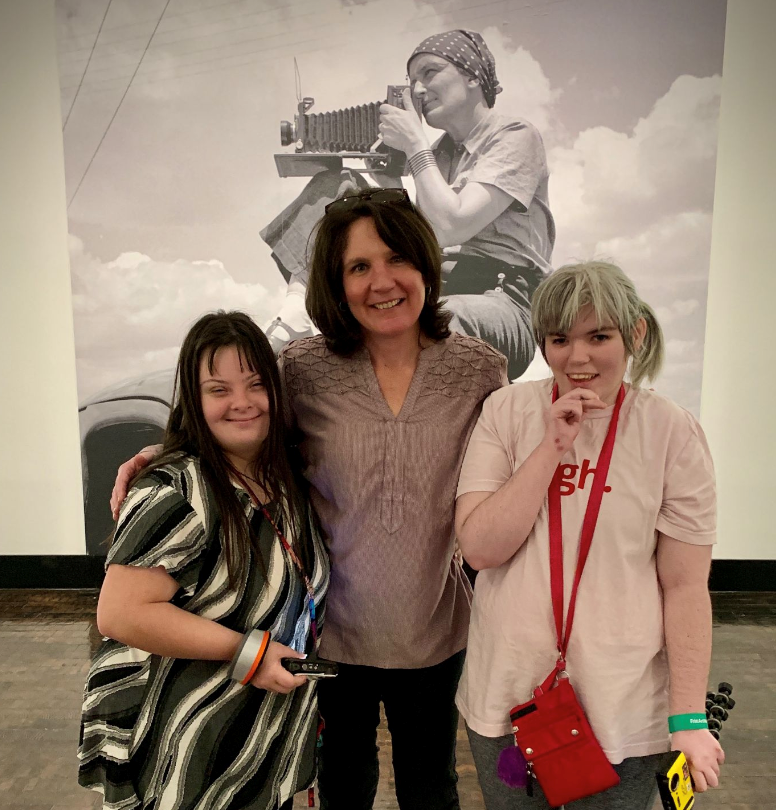
Of course, the exhibit is an opportunity to showcase their hard work and talents, but Vogus says it’s about more than hanging up pictures. “It helps better inform the public about what it’s like to live with a disability.”
For participants who want to dig deeper, the AbleVoices Photography Club builds on the self-expression class and brings photographers together for practical excursions and discussions around their work.
Also part of their Photo Academy programming, AbleVoices offers opportunities for real work experience. Acting as assistants for professional photographers, participants get valuable on-the-job training and learn the ins and outs of portrait and event photography.
For some, their pictures even turn into income. Photographers sell prints and cards of their work at local markets and gatherings. “We go to holiday festivals like Pumpkin Fest in downtown Franklin and we have built a loyal customer base,” said Vogus. “We also recently launched an online card and print store that sells our photographers’ work and hire our photographers to run the social enterprise.”
Thanks to the success of her program, Vogus has expanded the AbleVoices footprint through online versions of Photography for Self-Expression and the Photography Club. She hopes, however, the in-person programs are someday offered throughout the country. “I’ve said it many times, but people with disabilities have much more in common with the world than they don’t,” she said. “I want people to understand that.”
Vogus, who received a B.S. in biology and a secondary teaching certification for grades 7-12 from Michigan State, credits mandatory courses in special education as aiding her in the creation of AbleVoices. “At the time it was rare for a teaching program to require special education classes,” said Vogus, who taught high school chemistry, physical and earth sciences. “It would have been so much harder without the knowledge I gained.”
At its heart, AbleVoices, which has served over 500 youth and adults with disabilities, offers a picture of what community is all about.
“People with disabilities are some of the strongest people I know and have to deal with hard things on a daily basis,” Vogus said. “To be a part of something good for people with disabilities, it’s a real privilege for me.”