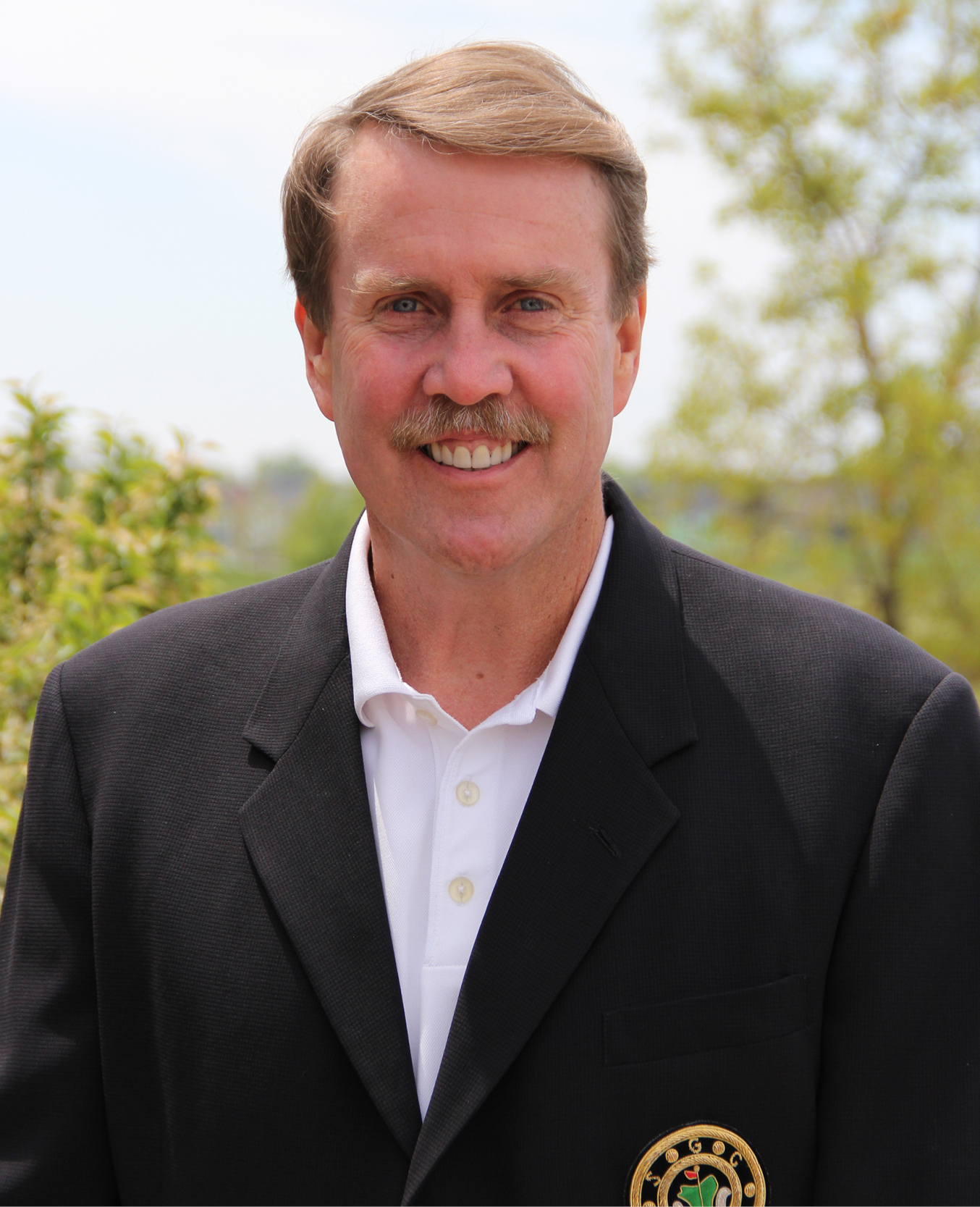
Long before he became one of America’s most respected golf course architects, Ray Hearn was a tall kid lugging golf bags around the Country Club of Detroit marveling at the beauty of the golf course. As a caddie, he went on to earn the prestigious Evans Scholarship founded by golf legend Charles “Chick” Evans. With that, the spark was ignited.
He grew up in southeast Michigan in a nongolfing family, but something about the game grabbed him immediately. Even then, he was fascinated by playing golf and even more mesmerized by the landscapes themselves.
One afternoon, watching the Masters with his father as a high school freshman, he blurted out the words that would shape his life’s calling: “Dad, isn’t this the most beautiful landscape?” His father agreed. “Wouldn’t it be cool to design something like that?” Ray recalls.
At the time, neither knew how to become a golf course architect. Neither did Ray’s high school counselor — “I’m not a golfer, ask your coach,” he told him. That bit of referral, plus a curiosity that never let go, set Ray on a winding road that eventually led to Michigan State University.

It was the late 1970s, a time when golf architecture wasn’t exactly a well-defined academic path. Two major figures — Pete Dye and Robert Trent Jones Sr. — dominated the profession.
Jones, who happened to have deep ties to MSU, became an early beacon. After Ray persistently called his office, Jones finally picked up, ready to scold him — until Ray said he was calling from Michigan. Suddenly, Jones warmed up. He pointed Ray to MSU turfgrass legend Dr. Kenyon Payne and mapped out the education he’d need: turfgrass science, landscape architecture and plenty of “dirt under your fingernails” at a functioning golf course.
Ray followed the plan.
His years at MSU became the foundation of everything that came after. He earned degrees in Turfgrass Science and Landscape Architecture, learning the science beneath the game as well as the artistry that shapes it. He also returned to his stomping grounds, serving as an assistant superintendent at the Country Club of Detroit.

Looking back, Ray describes MSU as nothing less than life-defining. “I owe an immeasurable debt to Michigan State University, the place where the foundation of my life’s work was forged,” he said. “MSU didn’t simply educate me; it shaped me. It sharpened my vision, strengthened my resolve, and prepared me to design and redesign courses across the United States and around the world that are bold, strategic, memorable and enduring.”
At MSU, mentors such as Dr. Payne, Dr. Paul Rieke, Dr. Joe Vargas, Professor Tony Bauer, Professor Warren Rauhe and others championed him. Together, Ray and the faculty developed the university’s first-ever golf course architecture emphasis — at a time when few universities acknowledged the discipline.
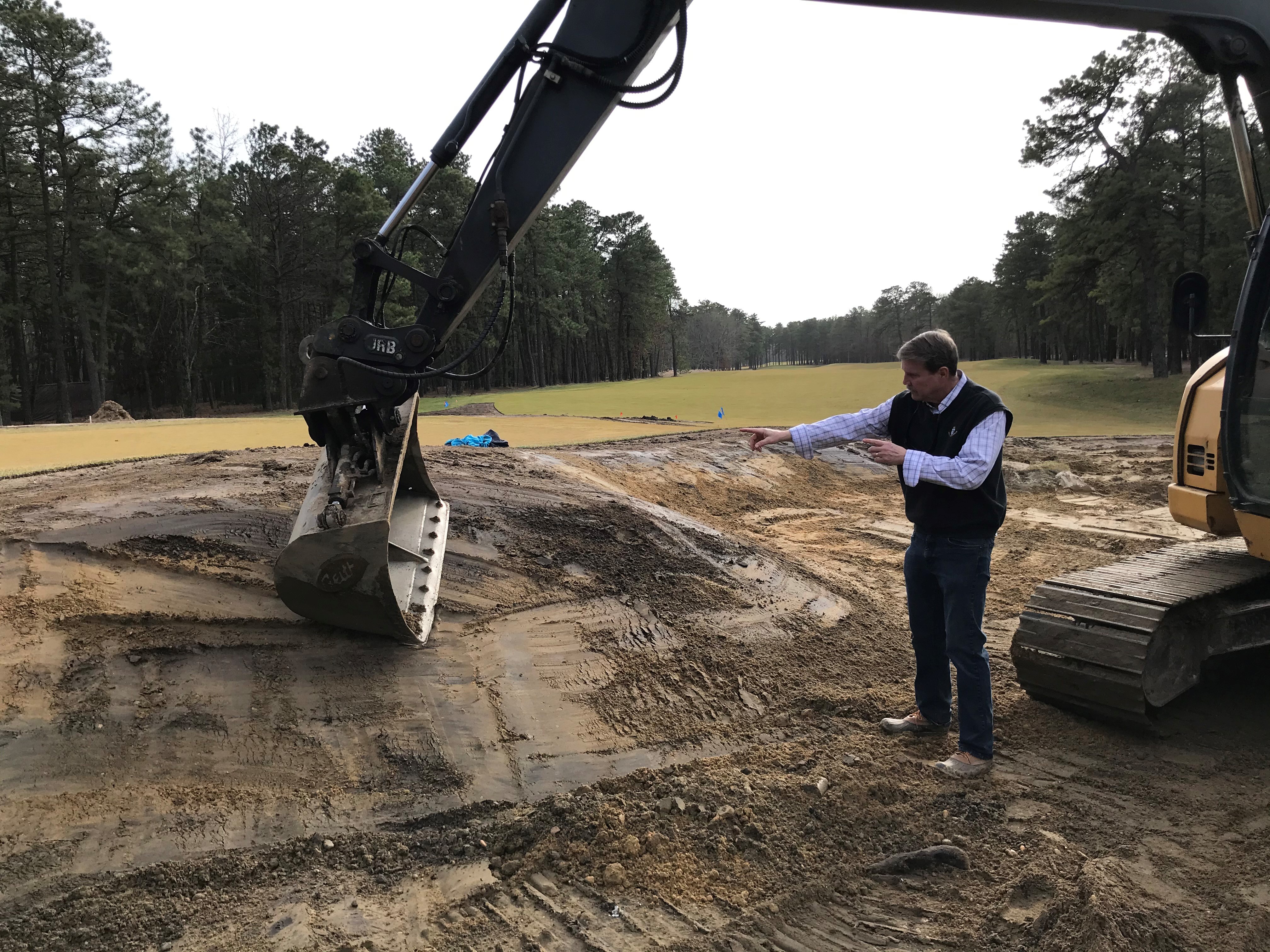
Later, Ray and Rauhe co-taught MSU’s British Isles Golf Course Design Seminar, taking participants to Scotland, Ireland and England to study the cradle of the game. It was a seminar Ray says helped him discover “the soul of the game.”
MSU also launched Ray into the profession. Through Professor Bauer, he connected with respected Michigan architect Jerry Matthews, who hired him, mentored him and gave him responsibilities well beyond what a student designer might expect. And, when Ray founded his own firm in 1996, it was an MSU graduate student who built his first website — one of the earliest in golf architecture — helping bring national visibility to his work.
Today, Ray’s firm is celebrating more than 30 years of designing, restoring and reimagining golf courses across the U.S. and abroad. But he traces every project back to East Lansing.
“Every new course carved from raw ground, every restoration that breathes life back into history, every renovation that reimagines possibility — all trace back to the discipline, creativity and relentless standard instilled in me at MSU,” he said.
“Because of Michigan State, I do more than design golf courses. I create experiences that are environmentally responsible, economically sustainable, interesting to play and built to help my clients thrive for generations.”
For Ray, Michigan State wasn’t just the place where he learned his craft. It was the cornerstone that allowed him to imagine — and build — a lifetime of landscapes.
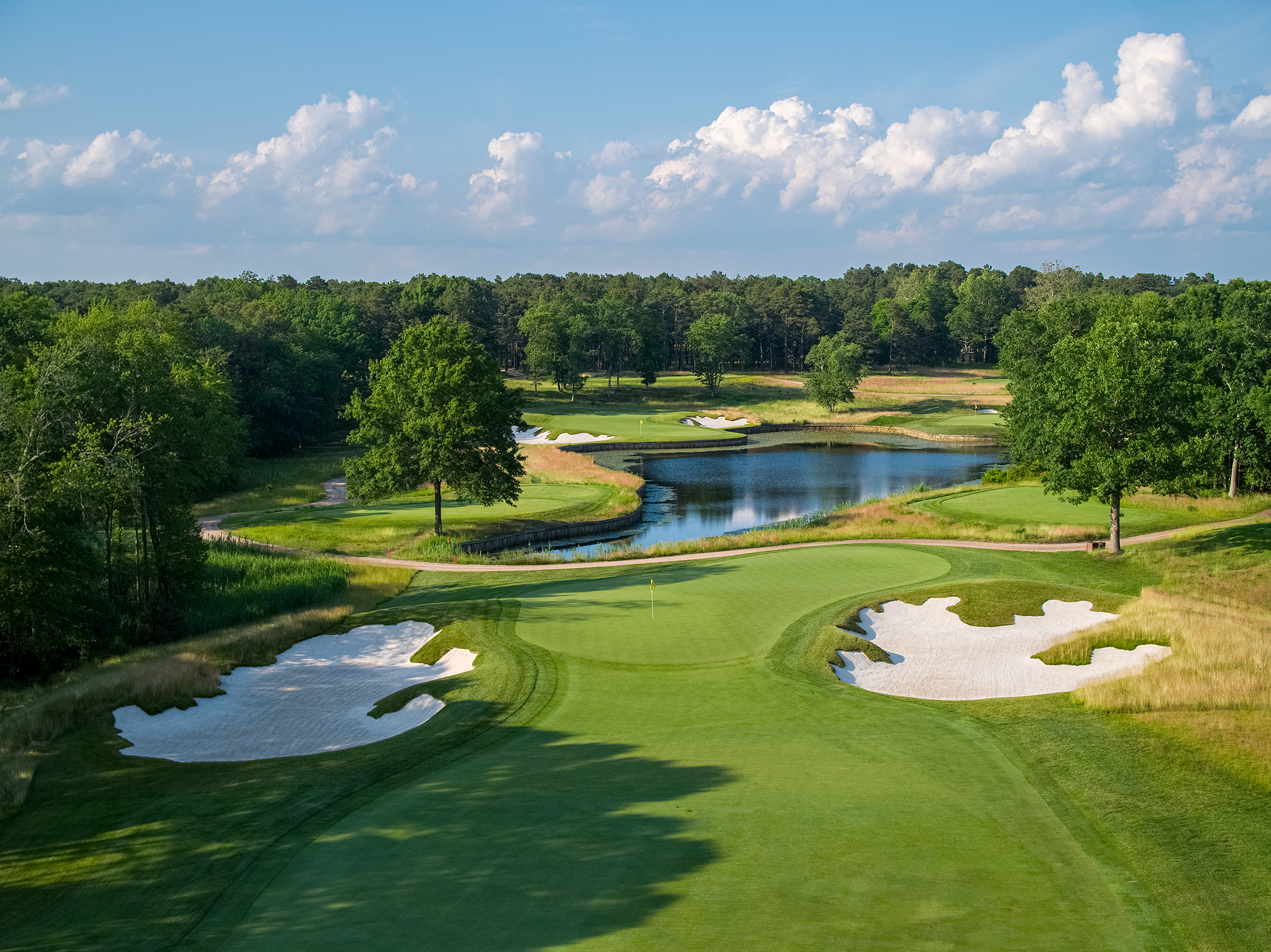
Cover image: Ray’s new course design at the Cardinal Golf Club at the Saint John’s Resort in Plymouth, MI. Hole 9. Host to the LIV Tournament World Team Championship in 2025 and 2026. Photo: Brian Walters